
Europe Sets Stricter Air Quality Standards with Adoption of Directive (EU) 2024/2881
The European Union has taken a significant step toward safeguarding public health and protecting the environment with the adoption of the new European Air Quality Directive, officially known as Directive (EU) 2024/2881. This groundbreaking legislation introduces tighter pollutant limits, enhanced monitoring requirements, and stronger citizens’ rights, marking a major milestone in Europe’s commitment to achieving “zero air pollution” by 2050.
A Clear Commitment to Clean Air
Recognising that air pollution remains the leading environmental health risk, causing approximately 300,000 premature deaths annually, the new directive aims to substantially reduce emissions and improve air quality across all Member States.
"Air quality in Europe must cease to be a threat and become a guaranteed right"
- said the EU Commissioner for Environment, Oceans and Fisheries.
Key Changes and Objectives
Adopted on October 23, 2024, this legislation replaces earlier directives 2004/107/EC and 2008/50/EC, aligning more closely with World Health Organisation (WHO) recommendations, which were also reviewed in 2021 and establishing concrete obligations and deadlines for Member States.
Stricter Pollutant Limits
The directive introduces significant reductions in permissible levels for critical pollutants, given in the table below.
Table 1. Revised Threshold limits
Additionally, limits for sulphur dioxide (SO₂) are tightened, aligning with public health advice, especially in densely populated urban areas.
Enhanced Monitoring and Data Accuracy
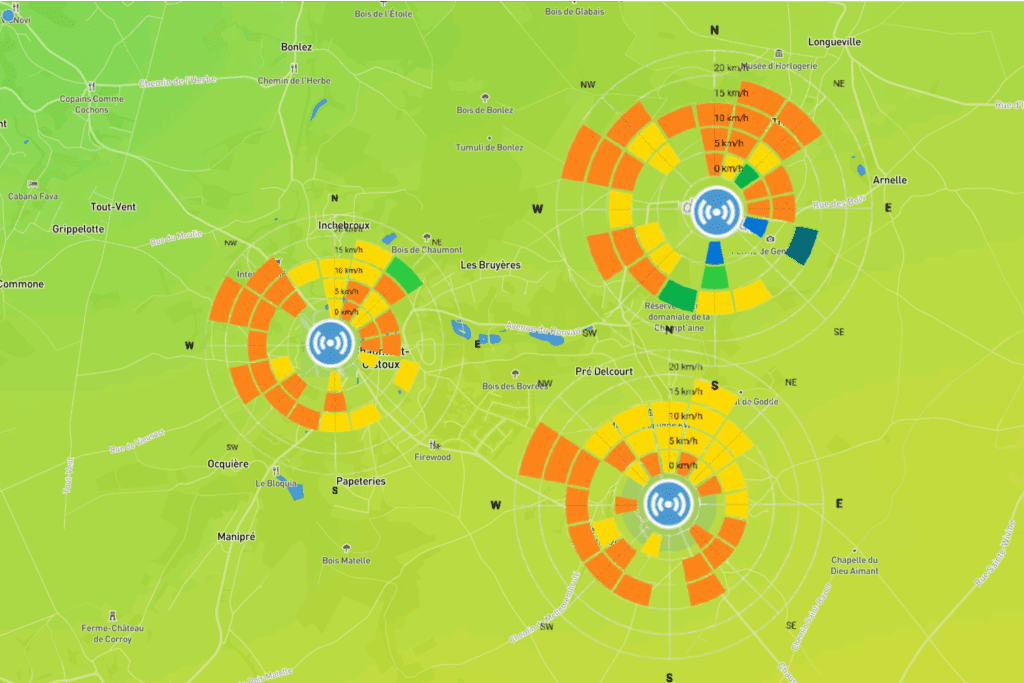
The directive mandates expanded, more reliable air quality monitoring networks. Member States are required to increase sampling stations, especially around sensitive areas covering but not limited to schools, hospitals, and industrial zones, employing advanced measurement technologies.
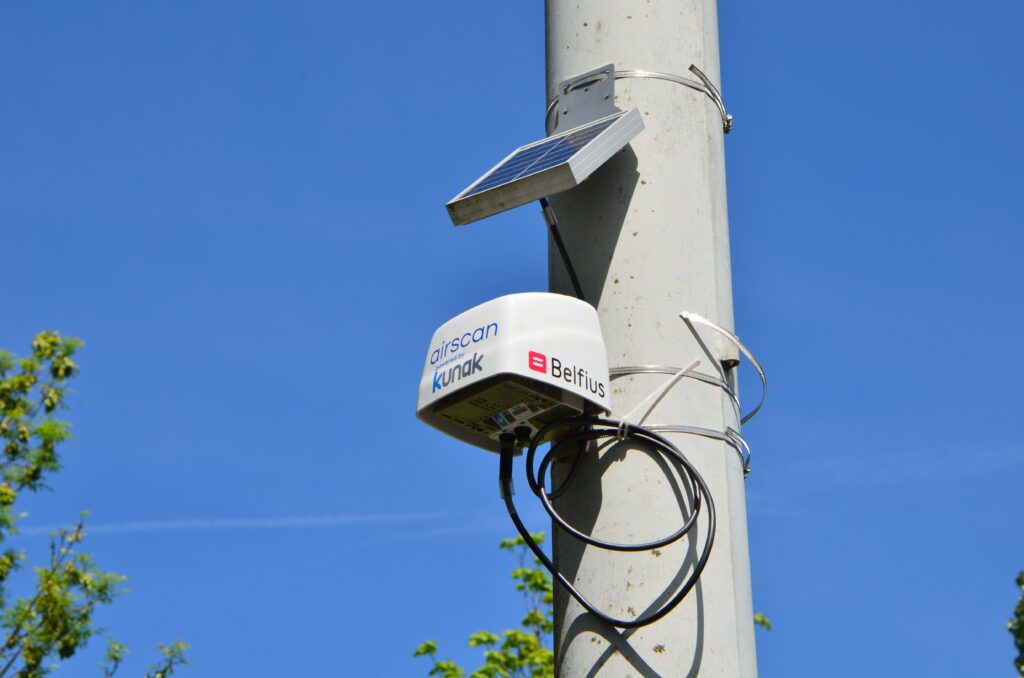
Airscan’s tools & services — designed following the European Committee for Standardisation (CEN) specifications — are set to play a vital role, providing high-accuracy data vital for informed policymaking, real-time alerts, and compliance enforcement.
Addressing Emerging Pollutants
Beyond the pollutants that were in focus for the past decades, the new directive introduces monitoring for new indicators — including black carbon, ultrafine particles, ammonia, and NMVOCs—reflecting a comprehensive approach to air quality management and associated health impacts.
Revolutionising Air Quality Modelling
A notable shift sees modelling techniques become mandatory in many scenarios, especially where pollutants exceed limits. This evolution enhances predictive capabilities, scenario analysis, and spatial monitoring using satellite data from Europe’s Copernicus program, promoting smarter, data-driven decisions .
Empowering Citizens
European citizens now enjoy enhanced rights: access to real-time, clear air quality information and the right to seek compensation if their health is impacted by non-compliance. This could be a serious game-changer & a risk to clumsy corporates.
Implications and Opportunities
The new legislation demands substantial investments from public authorities and private sectors, including urban planning, industrial reform, and mobility changes to meet the stringent standards. The transition presents an opportunity to modernize European cities, foster innovation, and accelerate the green transition with technology at the forefront.
The Role of Technology
Accurate sensors and reliable data are fundamental. Different technologies proposed by Airscan experts include advanced air quality sensors—meeting the strictest standards—enable transparent, real-time monitoring essential for compliance and public health protection.
A Path Forward
While the new regulation poses challenges, it also offers Europe a chance to lead in innovative environmental management, ensuring clean air is a right, not a privilege. With robust data, cutting-edge technology, and strong political will, Europe is poised to create a healthier, cleaner future for all.
- Air Quality Monitoring
Latest Articles

School air quality: protect children today | Airscan
Children are more vulnerable to air pollution at school. Key Brussels data, effective measures (school streets, LEZ), and Airscan solutions: monitoring, smart ventilation, certification‑ready reporting.
Ventilation Audits in Flanders Care Homes: Airscan’s 40‑Site Study on Indoor Air Quality
Airscan’s audit of 40 Flemish care homes uncovered critical ventilation issues: nearly 1 in 4 rooms exceeded safe CO₂ limits. With VEB and VIPA support, the study offers data-driven solutions to protect residents’ health.