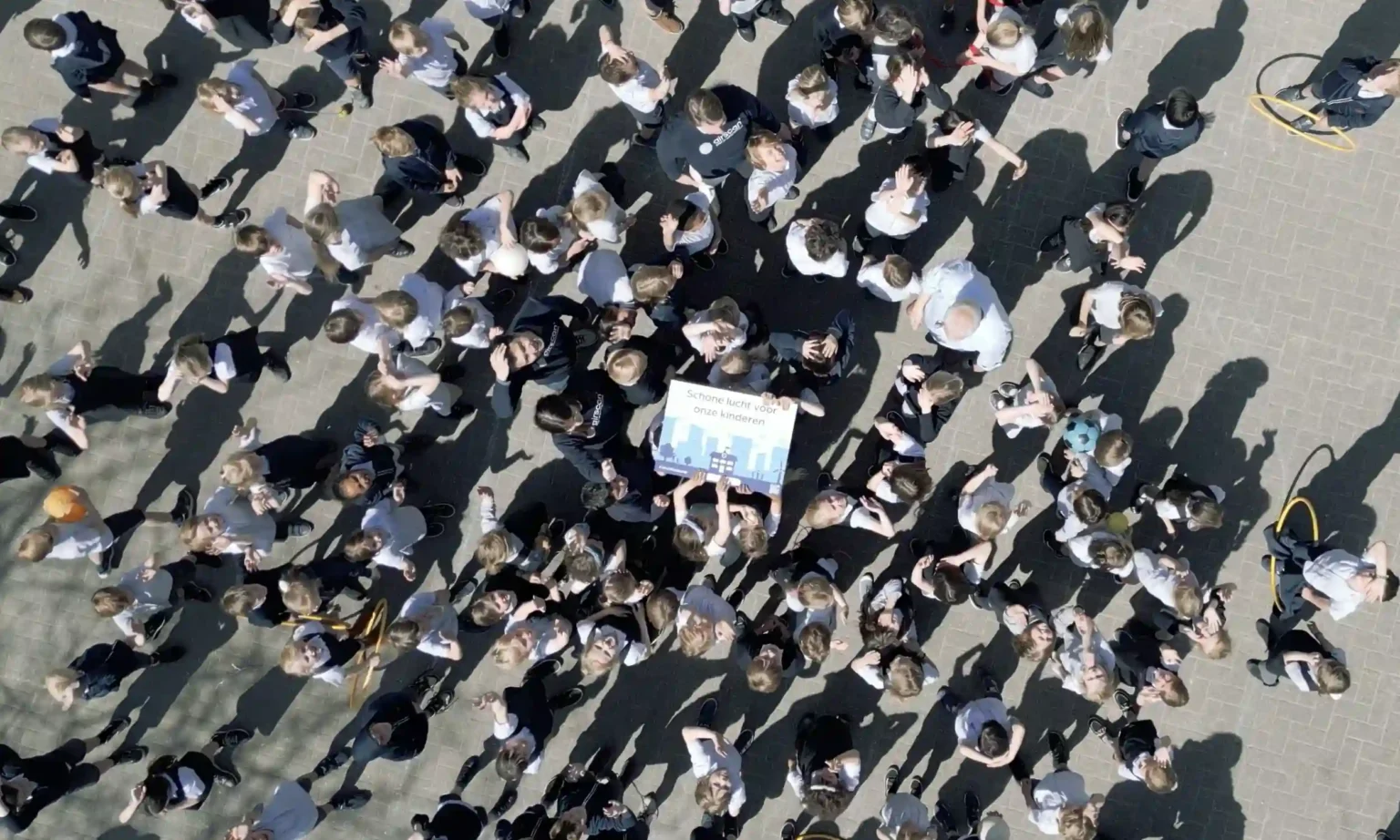
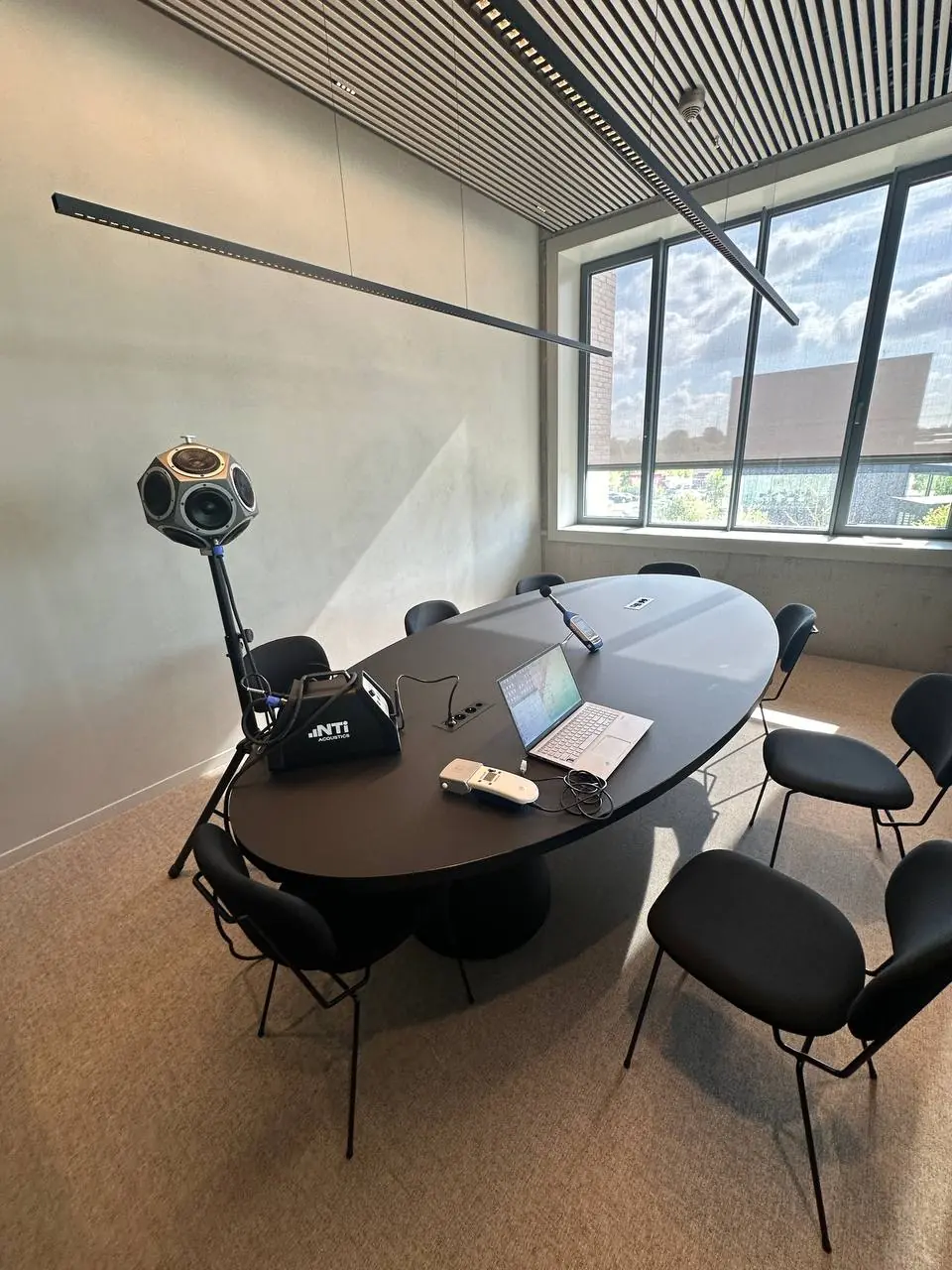
Clean Air for Schools is marking its third year of operation. Over this period, Airscan and Belfius have supported 75 schools across Belgium in mapping and improving air quality, both indoors and outdoors.
Using continuous monitoring and structured analysis, the programme has supported school principals, prevention advisers, teachers, and students in understanding how air quality behaves in real conditions. The objective has been practical: to improve health outcomes while supporting concentration and learning performance in classrooms.
Several school headmasters involved in the programme share their experience below.

Why did you decide to take part in the project?
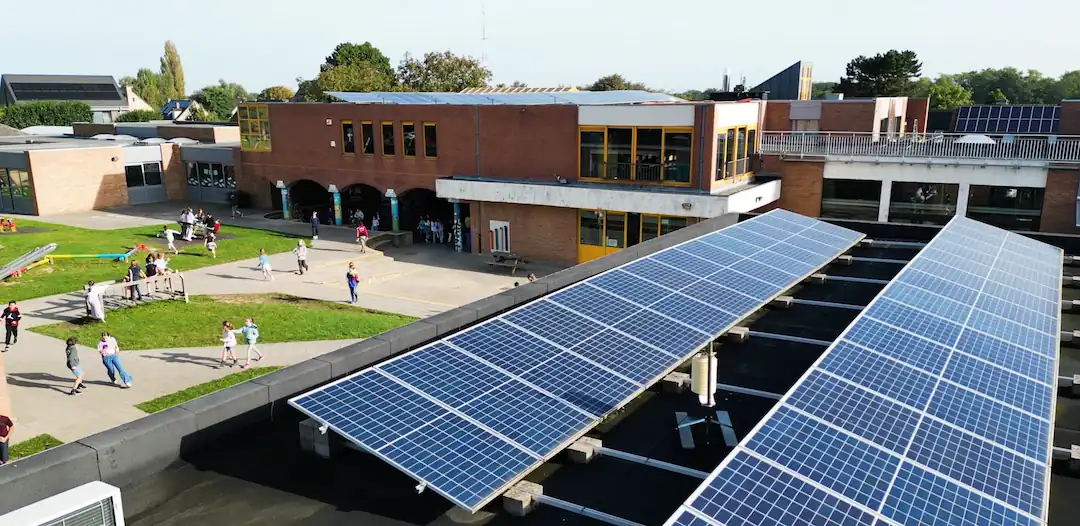
Peter Croughs (De Dolfijn) explains that the school’s proximity to an industrial area raised concerns about outdoor air quality around the playground. At the same time, the school wanted a clearer picture of indoor air conditions in classrooms and the gymnasium.
For Joris Clemminck (VLOT!), the Covid pandemic acted as a catalyst. Initial attempts to monitor classroom air quality revealed how difficult consistent management could be. The structured approach offered by Airscan provided a clearer framework. He also notes the educational value: students in science- and maths-heavy courses were able to work directly with real measurement data.
Tin Nicasi (VBS De Ceder) highlights financial constraints. While the school was keen to analyse classroom air quality, budget limitations made this difficult. The programme made it possible to carry out the assessment at no cost.
How has the project affected daily school operations?
For De Dolfijn, the project clarified how newly installed ventilation systems actually perform in practice. This allowed adjustments to be made so that systems operate more effectively under real occupancy conditions.
At VLOT!, the topic became part of the learning process itself. One student even based a thesis on the campaign data. According to Joris Clemminck, teachers working in classrooms equipped with Airscan devices are noticeably more aware of air quality conditions than those who are not.
At Ecole Libre Henri Hennequin, Flavie Hozay notes a shift in habits. Classroom ventilation is now monitored more carefully, even during winter, to maintain a healthy learning environment.
“Teachers who teach in classrooms equipped with an Airscan device are more aware of air quality.”
Which measures are being implemented to improve air quality?
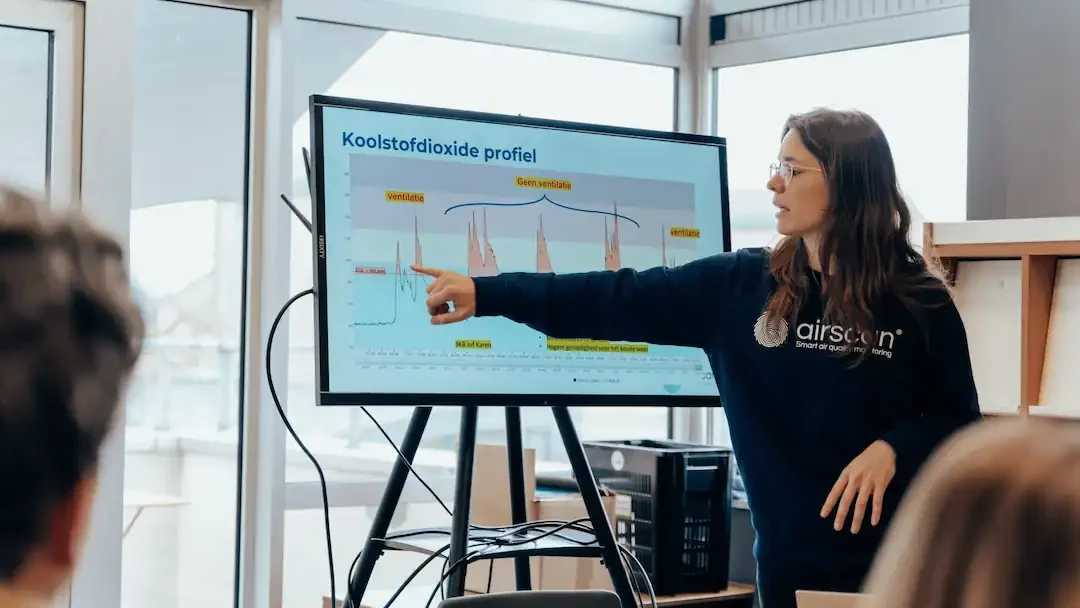
At VBS De Ceder, data showed that intensive ventilation during playtime significantly improves indoor air quality. This practice has been adopted on an ongoing basis, supported by CO₂ meters to guide ventilation when needed.
At VLOT!, brief but intensive ventilation during breaks proved effective without causing excessive heat loss. Elevated fine particle concentrations observed in one classroom prompted further investigation, with insufficient cleaning identified as a likely cause. Corrective actions are now underway.
What are the main obstacles to improving air quality?
Across schools, a common challenge emerges: balancing thermal comfort, health, and energy use. In winter, sufficient ventilation often conflicts with the need to retain heat.
At De Dolfijn, real-time data enabled the development of a targeted ventilation strategy. Short, intensive ventilation during peak moments limited heat loss while maintaining healthy indoor air.
At VBS De Ceder, high occupancy levels make air-quality management difficult, particularly in colder months. The school also notes that some teachers benefit from additional support when it comes to interpreting and acting on air-quality data.
At Ecole Libre Henri Hennequin, winter remains the most challenging period, as regular ventilation becomes harder to maintain.
What stood out most during the project?
For Tin Nicasi, the project reinforced that air quality affects more than health alone. Data revealed clear links between pollution peaks—CO₂, particulate matter, and volatile organic compounds—and classroom conditions, creating opportunities to reduce or eliminate these peaks over time.
Peter Croughs was struck by the quality of outdoor air, which proved better than expected. Comparisons between outdoor and indoor data also showed that the school’s ventilation system effectively blocks a significant share of particulate pollution.
For Joris Clemminck, the overall results were encouraging. Awareness-building and collective efforts by teachers and students appear to be translating into measurable improvements.