Every spring, it’s the same story. Red eyes, runny nose, sneezing fits… For millions of people, the arrival of warmer months means discomfort and fatigue. What is less widely known is the role air quality plays in the severity of these allergies. Pollution and pollen can combine to form an especially harmful mix for respiratory health.
The effects of pollen on health
Pollen, essential for plant reproduction, can have a significant impact on human health. It is estimated that around 400 million people worldwide suffer from allergies, many of them linked to pollen exposure. These allergies—often referred to as allergic rhinitis—can cause symptoms such as:
- Sneezing
- Nasal congestion
- Itchy, watery eyes
- Breathing difficulties
In more severe cases, pollen allergies can trigger asthma attacks, posing serious health risks for affected individuals.
Pollen and pollution: a harmful combination
Air quality directly influences how pollen behaves in the atmosphere—and how the body reacts to it.
Pollen in the air: an underestimated risk
In their natural form, pollen grains are usually too large to be classified as fine particles (PM₁₀). However, they can fragment into much smaller particles (PM₂.₅), which are capable of penetrating deep into the respiratory system. The result is more intense allergic and respiratory symptoms.
When pollution increases allergenicity
Atmospheric pollutants such as fine particles and nitrogen dioxide (NO₂) can alter the structure of pollen, making it more allergenic. Pollution also promotes pollen fragmentation, producing ultrafine particles that infiltrate the lungs even more easily.
Higher risk in urban environments
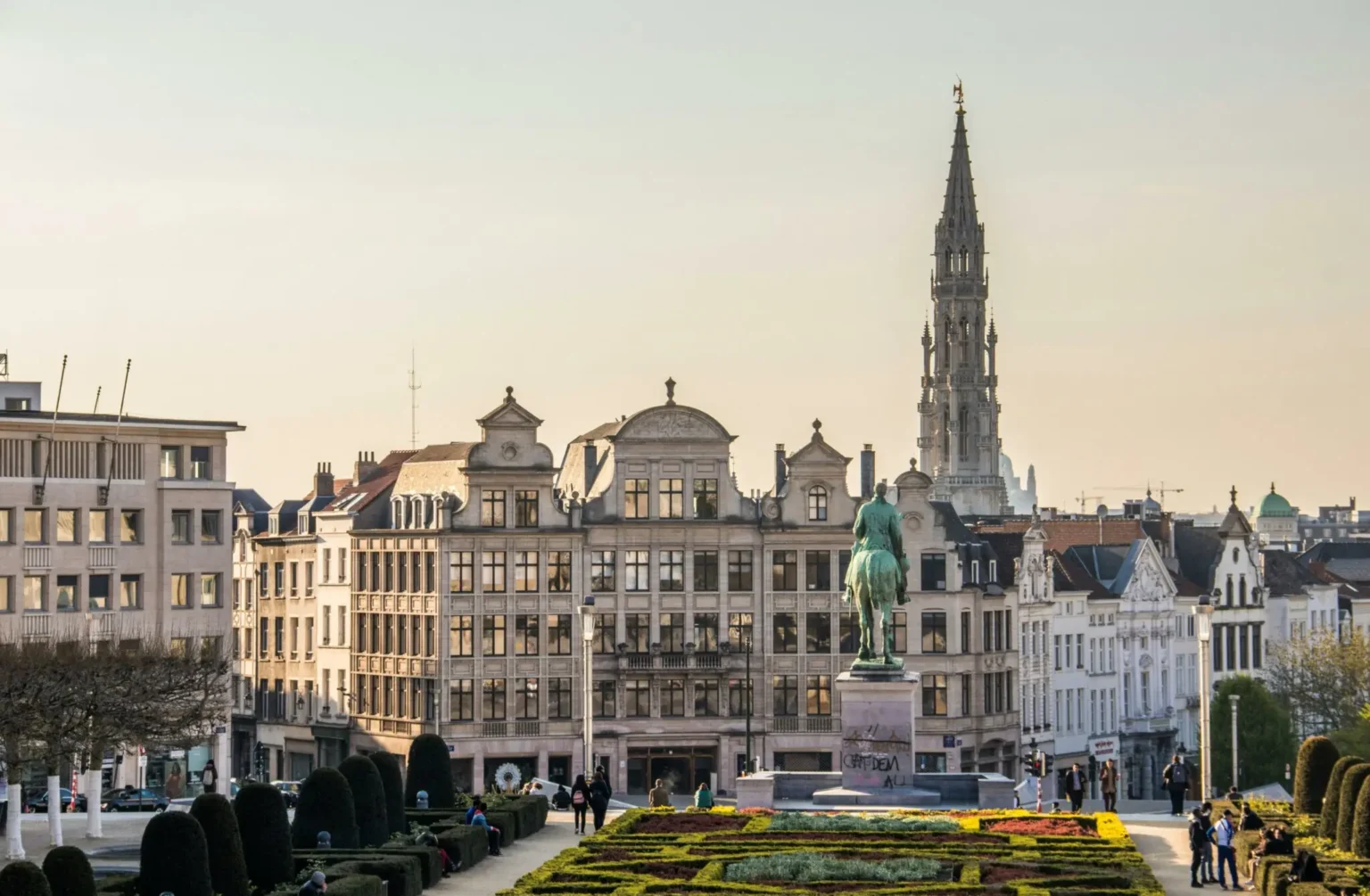
In cities, pollution levels tend to be higher, increasing pollen aggressiveness. This leads to a greater risk of severe allergies and respiratory issues for urban populations.
What can you do to breathe easier?
- Avoid pollen peaks: Check pollen forecasts and limit outdoor activity on high-pollen days. Wearing a pollen mask may help in severe cases.
- Protect your home: Close windows at key times, use an air purifier, install pollen filters, and clean regularly. Hypoallergenic bedding can also reduce exposure.
- Monitor pollution levels: Stay informed about local air quality and avoid outdoor activities on highly polluted days.
- Support your respiratory system: Drink plenty of water and use saline nasal sprays to help clear allergens.
- Adopt daily hygiene habits: Rinse hair and change clothes before bed to remove pollen and dust.
- Consult a healthcare professional: If symptoms persist, seek medical advice on appropriate treatments.
Conclusie
Pollen is no longer just a seasonal nuisance. Its health impact is increasingly amplified by air pollution. Limiting exposure therefore requires not only managing allergens, but also understanding and monitoring air quality.
Clean air is a fundamental requirement for healthy living. As pollution and environmental changes intensify allergic conditions worldwide, the need for accurate data and proactive action becomes more urgent.
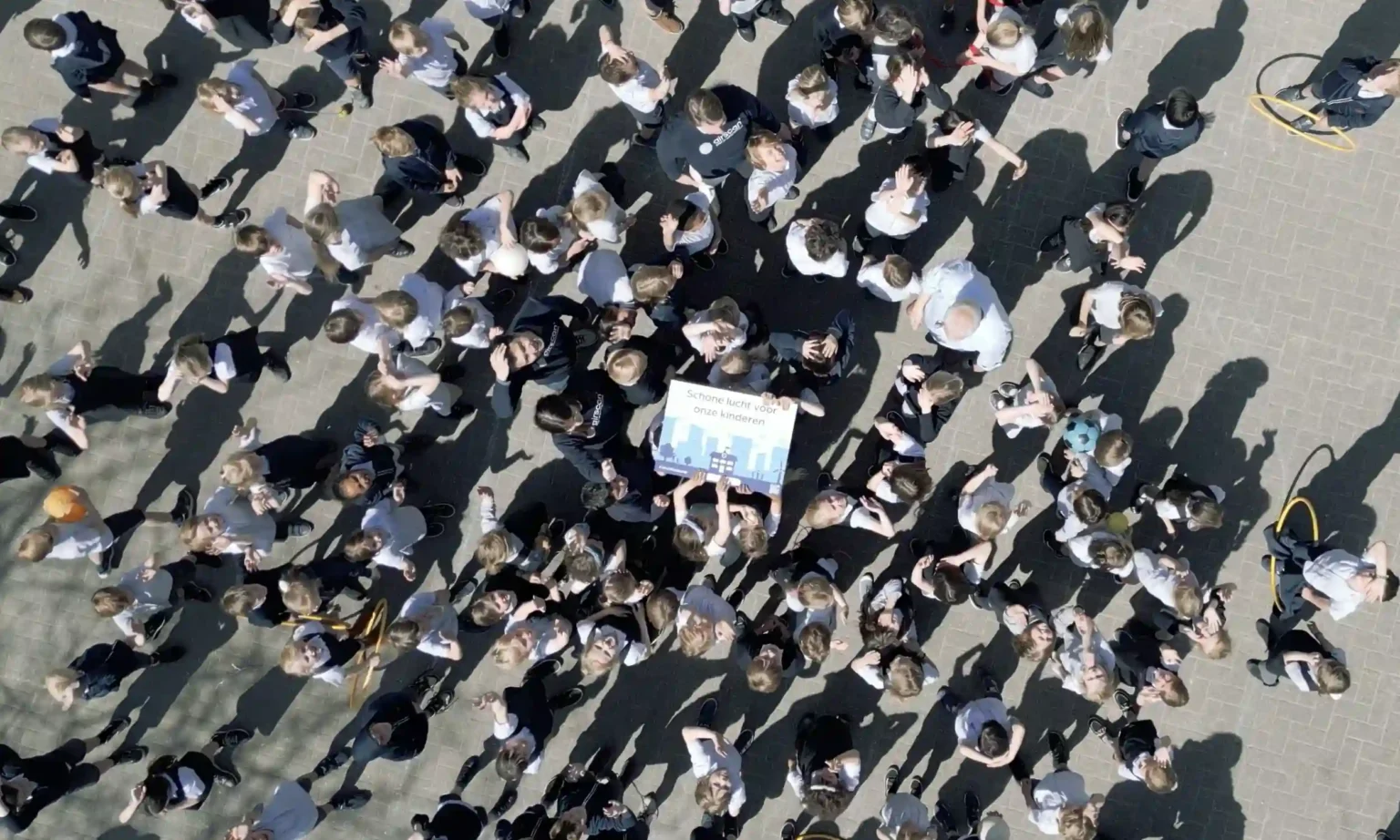
That’s why Airscan developed the Pure Cities project in collaboration with Belfius. Visit Pure Cities to find out how we’re mapping air quality issues and supporting targeted action plans to reduce pollution and improve urban livability.