Daily exposure to air pollution affects our health. While some pollution sources are difficult to eliminate, the choices made at home can play a meaningful role in improving air quality—locally and beyond. From heating systems to cooking methods and home location, certain decisions have a measurable impact on pollution levels and public health.
This article explores how households contribute to air pollution, what makes a home more “air-friendly,” and how sustainable choices can also reduce energy costs.
What’s polluting our air?
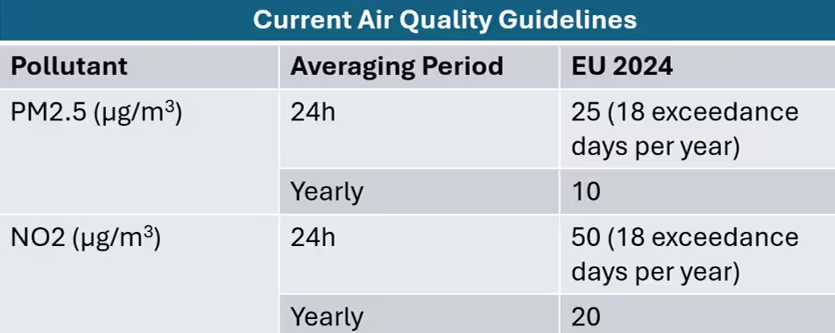
When discussing outdoor air quality, two pollutants are particularly important: particulate matter (PM) and nitrogen dioxide (NO₂). These pollutants often reach high concentrations in densely populated urban areas, sometimes exceeding European guideline values.
Elevated PM and NO₂ levels are linked to health effects such as asthma, respiratory illness, and cardiovascular disease.
Where do these pollutants come from?
One of the primary contributors to household-related air pollution is domestic heating. Residential heating accounts for approximately 73% of PM₂.₅ emissions in the EU and around 33% of NO₂ emissions.
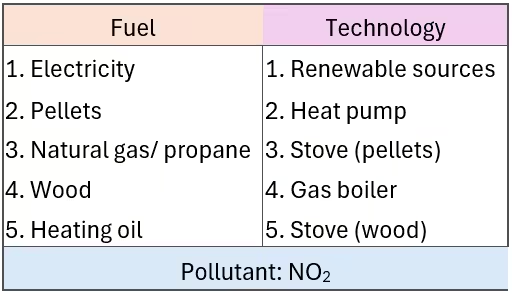
Different heating systems have very different pollution profiles. Rankings based on fuel type and technology highlight which options generate the lowest emissions of PM and NO₂.
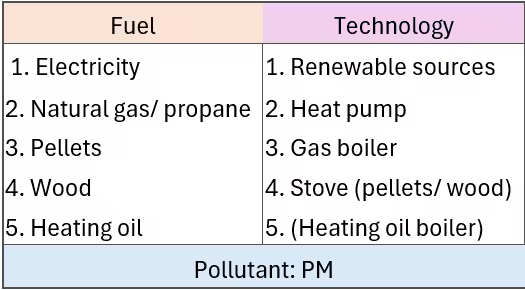
Key takeaways include:
- Electric heating powered by renewable energy (such as solar or wind) is the cleanest option.
- Pellet stoves perform better than traditional firewood systems but still emit pollutants.
- Wood burning is a major source of particulate pollution, responsible for up to 85% of household PM emissions in some regions.
- Heating oil is the most polluting option and is being phased out across Belgium.
Beyond heating: other household factors
Heating is not the only contributor to air pollution.
- Traffic is a major source of NO₂ in cities, making residential location important. Access to public transport, cycling infrastructure, and car-sharing options can significantly reduce emissions.
- Cooking methods matter. Induction cooking produces less NO₂ than gas stoves and aligns better with low-emission household strategies.
- Insulation and windows reduce energy demand and emissions. Materials such as glass wool or hemp insulation, combined with high-performance windows, improve EPC/PEB scores and increase property value.
What Belgium is doing: regulations and subsidies
Belgium is progressively phasing out polluting heating systems, with policies varying by region:
- Flanders: New heating oil boilers are banned unless no gas connection is available. New buildings may no longer connect to the gas network after 2025.
- Wallonia: Heating oil boilers will be banned from 2025, followed by gas boilers in 2035.
- Brussels: Heating oil boilers are banned from 2025, with a full phase-out planned by 2035. Gas boilers remain permitted for now.
Subsidies are available to support the transition:
- Flanders: MijnVerbouwPremie
- Wallonia: Regional subsidies and low- or zero-interest loans
- Brussels: Renolution subsidies (subject to policy updates)
Simple actions that make a difference
Small household changes can collectively improve air quality:
- Reduce wood burning, especially for non-essential use
- Lower heating when away and close curtains at night
- Use public transport instead of driving to cut NO₂ emissions
- Add greenery around the home to help disperse pollutants
These actions are affordable, practical, and beneficial at community scale.
Airscan: monitoring and improving air quality
At Airscan, we monitor and improve air quality through advanced sensing and data analysis. Our work includes urban air-quality mapping initiatives such as Pure Cities, as well as green building certification and smart ventilation control.
By tracking pollutants like PM and NO₂ in real time, we support better decisions for healthier environments and engage the public through data visualisation, reporting, and education.
Conclusion: you can make a change
Household choices matter. By selecting cleaner heating systems, improving insulation, choosing low-emission cooking methods, and reducing car use, individuals can contribute to better outdoor air quality. With regulations tightening and financial support available, improving air quality is increasingly achievable—and beneficial for both health and long-term costs.