Indoor air quality is a crucial factor in ensuring the health and well-being of residents in care facilities. As part of a project by the Flemish Energy Agency (VEB), funded by the Flemish Institute for Personalised Care (VIPA), Airscan recently carried out 40 comprehensive ventilation audits in residential care centres across Flanders.
The objective: to assess CO₂ levels, evaluate ventilation systems, and identify opportunities for structural improvements.
Project Objectives
Airscan’s study was structured around three core objectives:
- Indoor Air Quality: Monitor indoor air quality using continuous CO₂ measurements.
- Ventilation System: Analyse the effectiveness and efficiency of existing ventilation systems.
- Data-driven Recommendations: Provide actionable, data-driven recommendations for healthier living environments in residential care homes.
Methodology: How the Audits Were Conducted
The aim of these audits was to evaluate indoor air quality based on CO₂ measurements and a thorough analysis of the ventilation systems in place.
Continuous CO₂ Measurements
In each residential care home, CO₂ levels were continuously measured for two weeks in five representative rooms. This measurement campaign resulted in a comprehensive ventilation report including:
- An assessment of the existing ventilation system.
- An analysis of the measured air flows.
- A comparison with the applicable standards (such as the guideline value of 900 ppm and limit value of 1200 ppm CO₂).
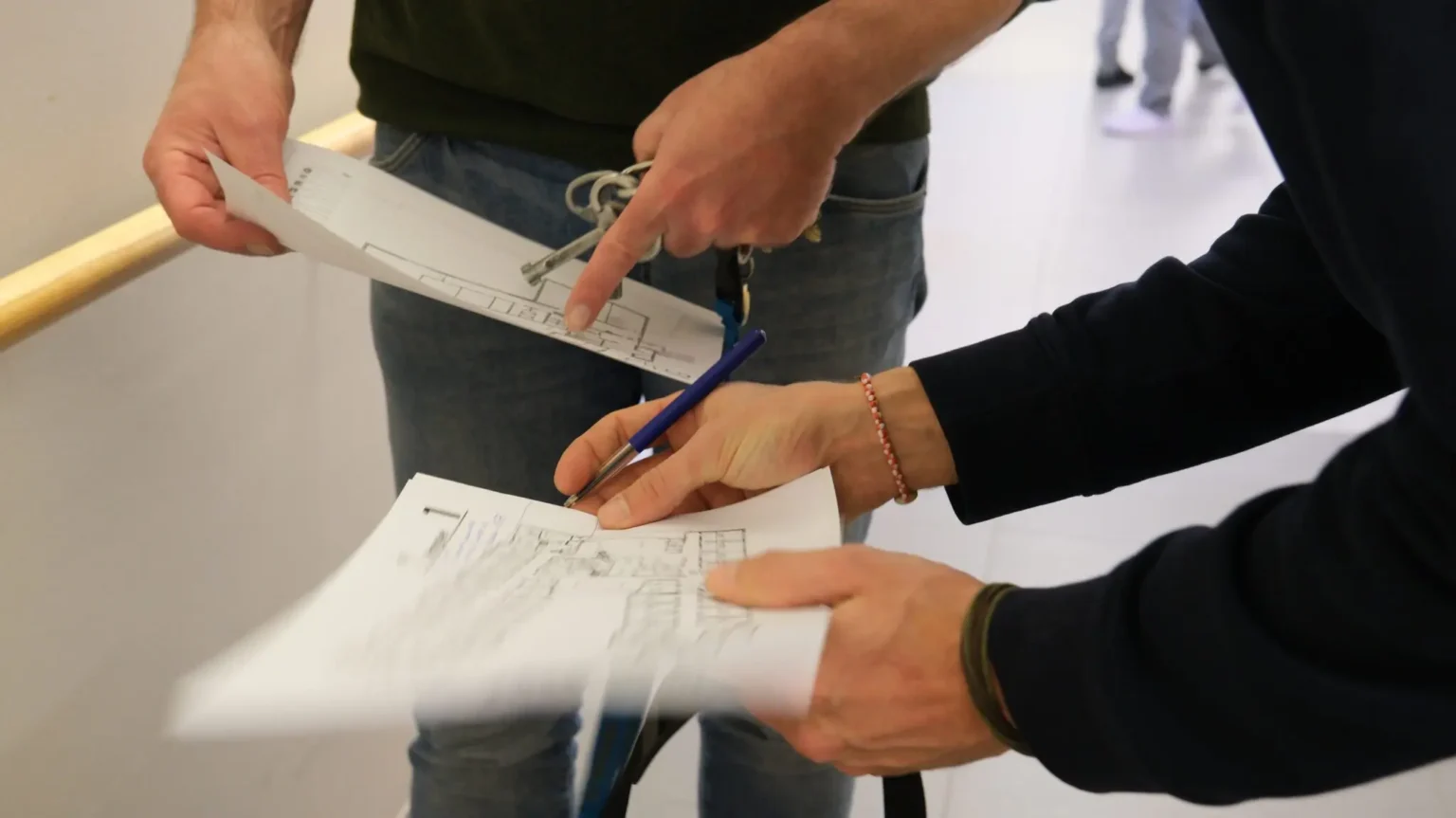
- A detailed overview of all room types, including surface areas and ventilation zones on a plan.
Room Types Monitored
To ensure accuracy and representativeness, Airscan monitored the following types of areas:
- Residents’ private rooms
- Communal living areas
- Cafeterias
- Sanitary facilities
- Administrative offices
System Evaluation
An in-depth analysis of the existing ventilation systems was carried out to determine efficiency and compliance with local indoor air quality guidelines.
Key Findings: What the Data Revealed
The results show that a significant proportion of residential care centres do not meet the recommended CO₂ guideline values:
- 27.5% of the rooms tested (55 out of 200) exceeded the guideline value of 900 ppm for more than 10% of the time.
- 9.5% of the rooms (19 out of 200) exceeded the limit value of 1200 ppm for more than 10% of the time.
These figures underscore a clear need for structural improvements in ventilation systems to meet recommended standards. The data reinforces the importance of a healthy indoor climate, especially in residential care centres where vulnerable residents live.
Marie Godard, Project Manager at Airscan: “Ventilation is often an underestimated aspect of building management in residential care homes. With these audits, we not only provide insight, but also clear and actionable points for improvement.”
Why Ventilation Matters in Care Homes
Good ventilation is essential for the well-being of both residents and staff, and is an important link in the prevention of respiratory infections and general health complaints.
Good indoor air quality is essential for:
- Reducing respiratory issues among older residents.
- Preventing the spread of airborne pathogens (like viruses).
- Supporting occupant comfort and general well-being.
Poor ventilation can lead to the accumulation of harmful particles and viruses, especially in spaces where vulnerable individuals live.

Airscan’s Recommendations for Healthier Indoor Air
Based on the results, Airscan suggests a combination of technical upgrades and daily best practices:
- Upgrade Mechanical Systems: Upgrade or modernise mechanical ventilation systems to align with modern performance standards.
- Real-Time Monitoring: Implement real‑time CO₂ display units in communal spaces so staff can monitor conditions instantly.
- Maintenance Schedule: Schedule regular maintenance and filter replacements to keep systems running efficiently.
- Staff Training: Train facility staff to operate ventilation systems effectively and understand CO₂ readings.
- Balanced Ventilation: Encourage a balance between natural and mechanical ventilation in suitable weather conditions.
Conclusion: Air Quality Is an Investment in Well-Being
The findings from the 40 ventilation audits by Airscan (supported by VEB and VIPA) reinforce the urgent need to modernise air quality practices in Flanders’ residential care facilities. Proper ventilation directly impacts health, comfort, and quality of life, especially for vulnerable populations.
By adopting Airscan’s recommendations, facilities can reduce risks, enhance comfort, and ensure compliance — ultimately making care homes healthier and more resilient.