Door Ts. Syida Nazri, IAQ-beoordelaar bij Airscan Malaysia
In elk gesprek dat ik met klanten voer over regelgeving voor de binnenluchtkwaliteit, is het onderwerp dat de meeste vragen oproept, boetes en sancties. Mensen willen de bedragen weten, wie aansprakelijk is en wat de aanleiding vormt voor handhaving. Die nieuwsgierigheid is begrijpelijk. De meeste bedrijven hebben de regelgeving voor de binnenluchtkwaliteit op Maleisische werkplekken nog nooit gelezen, en praktische informatie over wat de wet nu precies vereist, is moeilijk te vinden.
Dit artikel is bedoeld om die vragen te beantwoorden. Wat de wet inhoudt, wat deze vereist en wat de gevolgen zijn als je deze negeert.
Moet u formele IAQ-testen uitvoeren in Maleisië? Ontdek hoe Airscan dit doet. IAQ-beoordelingen conform ICOP 2010 voor commerciële gebouwen.
Welke wetten hebben in Maleisië expliciet betrekking op de luchtkwaliteit binnenshuis op de werkplek?
Laten we dit voor eens en voor altijd uit de wereld helpen: ja, de Maleisische wetgeving legt werkgevers en gebouweigenaren de plicht op om de gezondheid en veiligheid van iedereen op de werkplek te beschermen, en de luchtkwaliteit binnenshuis valt onder die verplichting. Als u een commerciële werkplek in Maleisië beheert, is dit op u van toepassing.
Het relevante document is de Industry Code of Practice on Indoor Air Quality (ICOP) 2010, opgesteld en gepubliceerd door het Maleisische ministerie van Arbeidsveiligheid en -gezondheid. ICOP is de operationele norm voor de binnenluchtkwaliteit op Maleisische werkplekken, en elke parameter, verplichting en registratieplicht met betrekking tot de binnenluchtkwaliteit is in dit ene document vastgelegd.
De wet ontleent haar juridische kracht aan de Occupational Safety and Health Act (OSHA) van 1994, de overkoepelende wetgeving. OSHA behandelt de binnenluchtkwaliteit niet direct, maar legt werkgevers algemene verplichtingen op om de gezondheid van hun werknemers te beschermen. ICOP is het instrument dat deze algemene verplichtingen omzet in meetbare aspecten van de binnenluchtkwaliteit. Naleving van ICOP wordt in een Maleisische rechtbank als bewijs van goede praktijk gezien.
Desondanks is de OSHA-wijziging 2022 in juni 2024 van kracht geworden, waardoor de reikwijdte van de wet is uitgebreid naar alle werkplekken. Dit betekent dat elk commercieel kantoor in Maleisië nu onder hetzelfde handhavingsgebied valt, dat zich historisch gezien richtte op industriële en productieomgevingen.
Wat ICOP zegt over de lucht
ICOP definieert aanvaardbare binnenluchtcondities aan de hand van een reeks parameters: luchttemperatuur tussen 23 en 26 graden, relatieve luchtvochtigheid tussen 40 en 70 procent en luchtbeweging tussen 0,15 en 0,50 meter per seconde. Wat betreft verontreinigende stoffen moet het koolstofdioxidegehalte onder de 1000 ppm blijven, het koolmonoxidegehalte onder de 10 ppm, het formaldehydegehalte onder de 0,1 ppm en de totale hoeveelheid vluchtige organische stoffen onder de 3 ppm. Het aantal bacteriën moet onder de 500 kve per kubieke meter liggen en het aantal schimmels onder de 1000.
Dit lijken technische drempelwaarden waar een specialist zich zorgen over zou moeten maken. In de praktijk zal, als de ventilatie van uw gebouw de lucht niet actief reguleert, de aanwezigheid van mensen alleen al – ja/nee – ervoor zorgen dat verschillende van deze parameters sneller dan verwacht buiten hun limieten vallen. De aanname dat een modern kantoor met werkende airconditioning comfortabel binnen deze bereiken zal blijven, kom ik bijna altijd tegen, en die aanname blijkt vrijwel nooit te kloppen bij een daadwerkelijke meting.
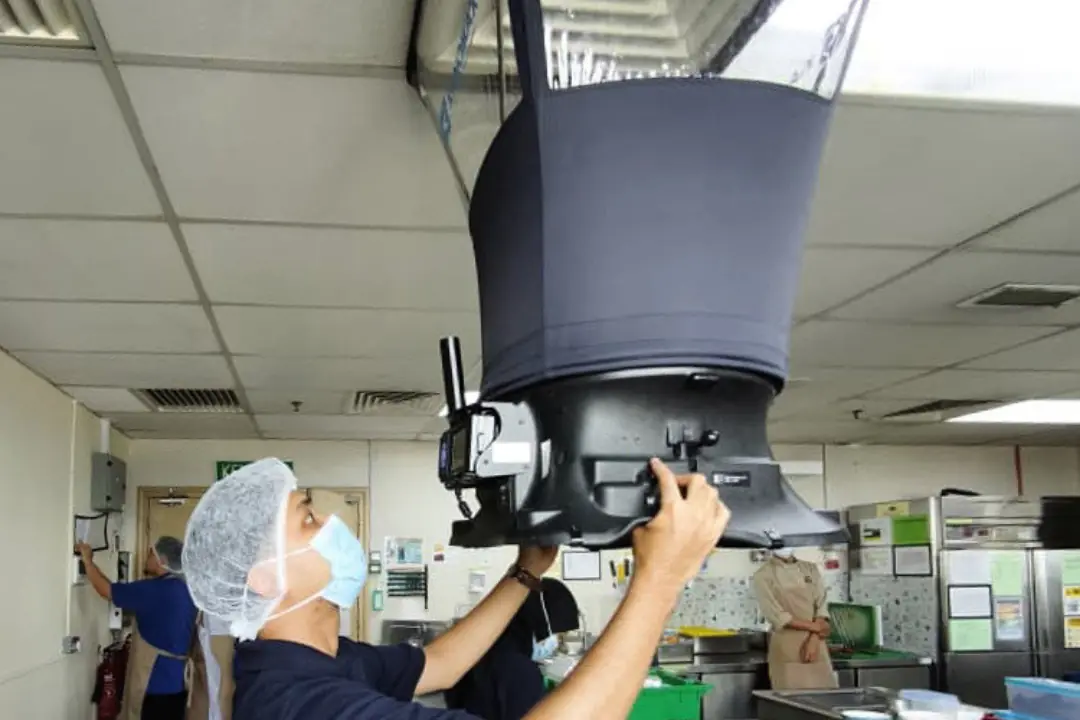
Een koolstofdioxideconcentratie van 1000 ppm is eigenlijk een goede indicator voor de effectiviteit van de ventilatie. Een redelijk grote vergaderruimte met acht personen zal die limiet binnen twintig minuten overschrijden als het systeem ondergedimensioneerd is of op een lager energieverbruik draait. We zien dit voortdurend gebeuren in ruimtes die op papier aan alle specificaties voldoen.
Een formaldehydeconcentratie van 0,1 ppm kan beheerders verrassen na de inrichting en installatie van meubels. Nieuwe laminaten, lijmen en bewerkt hout geven maandenlang na installatie formaldehyde af, en de meeste gebouwbeheerders leggen het verband niet tussen een recente kantoorrenovatie en de klachten over de luchtkwaliteit die zes weken later binnenkomen.
Bacteriën- en schimmelgroei spelen een rol wanneer een ventilatie- en airconditioningssysteem te lang ongebruikt blijft. Filters worden niet vervangen, condensbakken worden niet schoongemaakt en koelspiralen blijven jarenlang nat. De micro-organismen hopen zich ongemerkt op en het eerste teken is vaak een klacht over een onaangename geur in plaats van een daadwerkelijke lekkage.
Als je deze parameters naast elkaar zet, zie je wat ICOP werkelijk vraagt: een binnenklimaat dat tegelijkertijd gezond is op het gebied van temperatuur, ventilatie, chemie en biologie. Aan één waarde voldoen terwijl je aan de andere niet voldoet, betekent niet dat je aan de eisen voldoet.
ICOP-vereisten die verder gaan dan de lucht
Dit is het onderdeel waarvan de meeste beheerders zich niet realiseren dat het ook op hen van toepassing is. ICOP legt doorlopende verplichtingen op aan degene die het gebouw beheert, en die verplichtingen gelden ongeacht of de lucht op een bepaalde dag binnen het bereik van de detectieapparatuur valt.
Een coördinator voor arbeidsveiligheid en -gezondheid moet worden aangesteld als een bedrijf vijf of meer werknemers heeft en geen aparte veiligheidsfunctionaris hoeft te hebben. Deze persoon behandelt interne veiligheidszaken, waaronder klachten over de binnenluchtkwaliteit. De meeste mkb-bedrijven waarmee ik werk, hebben er geen.
Er moet een schriftelijk vastgelegde klachtenprocedure voor gebruikers bestaan, die correct is opgesteld en toegankelijk is voor het personeel. Bijna geen enkel kantoor dat ik inspecteer, heeft zo'n procedure op papier voordat ik er aankom, en de informele aanpak van "je kunt iedereen op de HR-afdeling mailen" is niet wat de wet beoogt.
MVAC-systemen moeten minstens elke zes maanden worden geïnspecteerd en onderhouden, en dat is waar de meest voorkomende tekortkoming in de naleving aan het licht komt. De meeste onderhoudscontracten voor gebouwen dekken filtervervanging en routineonderhoud, maar dat is niet hetzelfde als de diagnostische controles die ICOP verwacht. De uitspraak "wij onderhouden onze HVAC" vertaalt zich zelden in ICOP-conforme onderhoudsverslagen.
Alle medewerkers moeten minstens eens in de twee jaar een training volgen over de inhoud van ICOP en hoe ze tekenen van slechte ventilatie kunnen herkennen. In de praktijk gebeurt dit vrijwel nooit, omdat de meeste operators ICOP zelf nooit hebben gelezen en er dus geen aanleiding is om over de training te praten.
Deze vier verplichtingen vormen het onderdeel van de naleving dat niet zichtbaar is in een sensormeting, en het is juist dit onderdeel dat DOSH gedocumenteerd verwacht aan te treffen wanneer ze een inspectie uitvoeren.
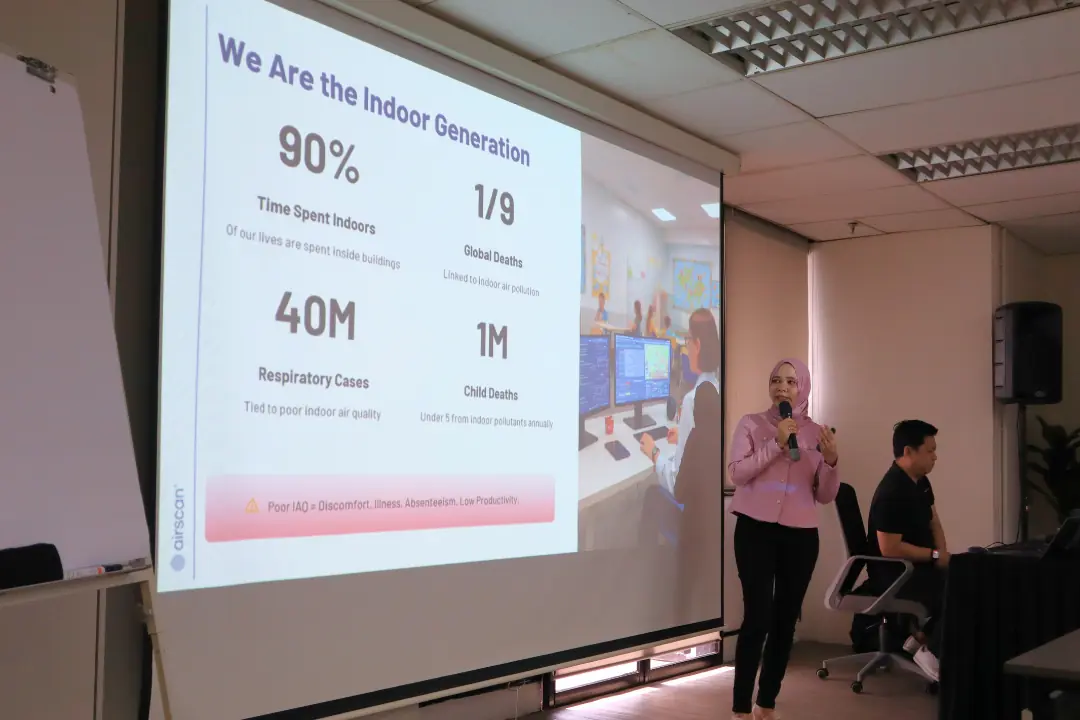
Hoe DOSH dit daadwerkelijk handhaaft
De meeste kantoorbeheerders stellen zich voor dat een inspecteur arriveert met meetapparatuur, metingen verricht en de resultaten noteert. Dat gebeurt inderdaad, maar het is zelden wat een operator verrast.
Handhaving is gebaseerd op documentatie. Klachtenregistraties, onderzoeksrapporten, trainingsverslagen en onderhoudsverslagen moeten vijf jaar bewaard worden. Formele IAQ-beoordelingsrapporten moeten dertig jaar bewaard worden. DOSH kan deze documenten op elk moment opvragen, en wat ze in de documentatie aantreffen, weegt doorgaans zwaarder dan wat ze op een willekeurige middag in de lucht meten.
Dat verandert de manier waarop we over de hele kwestie denken. Wat DOSH eigenlijk test, is of je bewijs kunt leveren van consistent beheer over meerdere jaren, wat iets heel anders is dan controleren of de luchtkwaliteit op de dag van een inspectie in orde is. Zonder documentatie wordt er vanuit gegaan dat het werk niet is gedaan.
Het is ook goed om te weten wat een bezoek van de DOSH (Department of Safety and Health) in gang zet. De gebruikelijke aanleidingen zijn klachten van werknemers die bij de instantie worden ingediend, meldingen van incidenten op de werkplek en renovatiewerkzaamheden. Deze zijn allemaal voorspelbaar genoeg, zodat een oplettende exploitant zich erop kan voorbereiden.
Er is één verwachting die buiten de geschreven tekst van ICOP valt, en dat is de verwachting waarover DOSH het meest direct is geweest in mijn gesprekken met het agentschap: Binnenluchtkwaliteitstesten zijn een basisvereiste. De redenering vloeit voort uit de verplichtingen die ICOP al oplegt. Als u verplicht bent om de luchtkwaliteitsparameters binnen specifieke grenzen te houden, gegevens bij te houden waaruit blijkt dat deze parameters zijn beheerd en op verzoek bewijs te leveren van consistent beheer, dan hebt u een meetinstrument nodig. U kunt niet aantonen dat u aan de voorwaarden voldoet als u deze nooit daadwerkelijk hebt getest. De aanstaande herziening van ICOP, die momenteel in ontwikkeling is, zal deze verwachting naar verwachting expliciet in de tekst opnemen.
Welke kosten zijn verbonden aan niet-naleving?
Dit is het onderdeel waar mijn klanten altijd de meeste vragen over hebben.
Een schending van de algemene zorgplicht onder OSHA, de juridische grondslag waarop een tekortkoming in de binnenluchtkwaliteit uiteindelijk rust, kan leiden tot een boete van maximaal RM 500.000, een gevangenisstraf van maximaal twee jaar, of beide. Het niet naleven van een kennisgeving van verbetering of een kennisgeving van verbod uitgegeven door DOSH leidt eveneens tot een boete van RM 500.000. Voortdurende niet-naleving na een kennisgeving kost RM 2.000 per dag. De wetswijziging van 2022 introduceerde persoonlijke aansprakelijkheid voor directeuren en managers, wat betekent dat de gevolgen van een ernstige tekortkoming in de binnenluchtkwaliteit niet beperkt blijven tot een boete voor het bedrijf.
Deze cijfers liggen klaar in de administratie van DOSH, voor gebruik. De uitbreiding van het werkterrein van OSHA in 2024 betekent dat ze van toepassing zijn op elk commercieel kantoor in het land, en niet alleen op de industriële locaties die historisch gezien de aandacht van handhaving trokken.
Voor formele IAQ-testen is een door DOSH gecertificeerde IAQ-beoordelaar vereist.
Er is één detail in ICOP dat uiteindelijk een belangrijke rol speelt:
Een formele IAQ-beoordeling volgens ICOP mag alleen worden uitgevoerd door een persoon die bij de directeur-generaal van DOSH is geregistreerd als beoordelaar van de binnenluchtkwaliteit. Zelfcertificering is niet rechtsgeldig. Als u reageert op een klacht, zich verdedigt tegen een kennisgeving of een rapport opstelt zoals DOSH dat mogelijk vereist, voldoet een beoordeling die is ondertekend door iemand anders dan een geregistreerde beoordelaar niet aan de vereisten.
Als u al jaren een kantoor runt en nog nooit een formele IAQ-beoordeling door een erkende beoordelaar hebt laten uitvoeren, is dat de eerste lacune die u moet dichten. Ontdek hoe Airscan formele ICOP 2010 IAQ-beoordelingen uitvoert voor werkplekken.