Airscan delivers the sensing, verification, and intelligence layer that allow urban systems to adapt to real-time environmental conditions and protect health, comfort, and system efficiency.
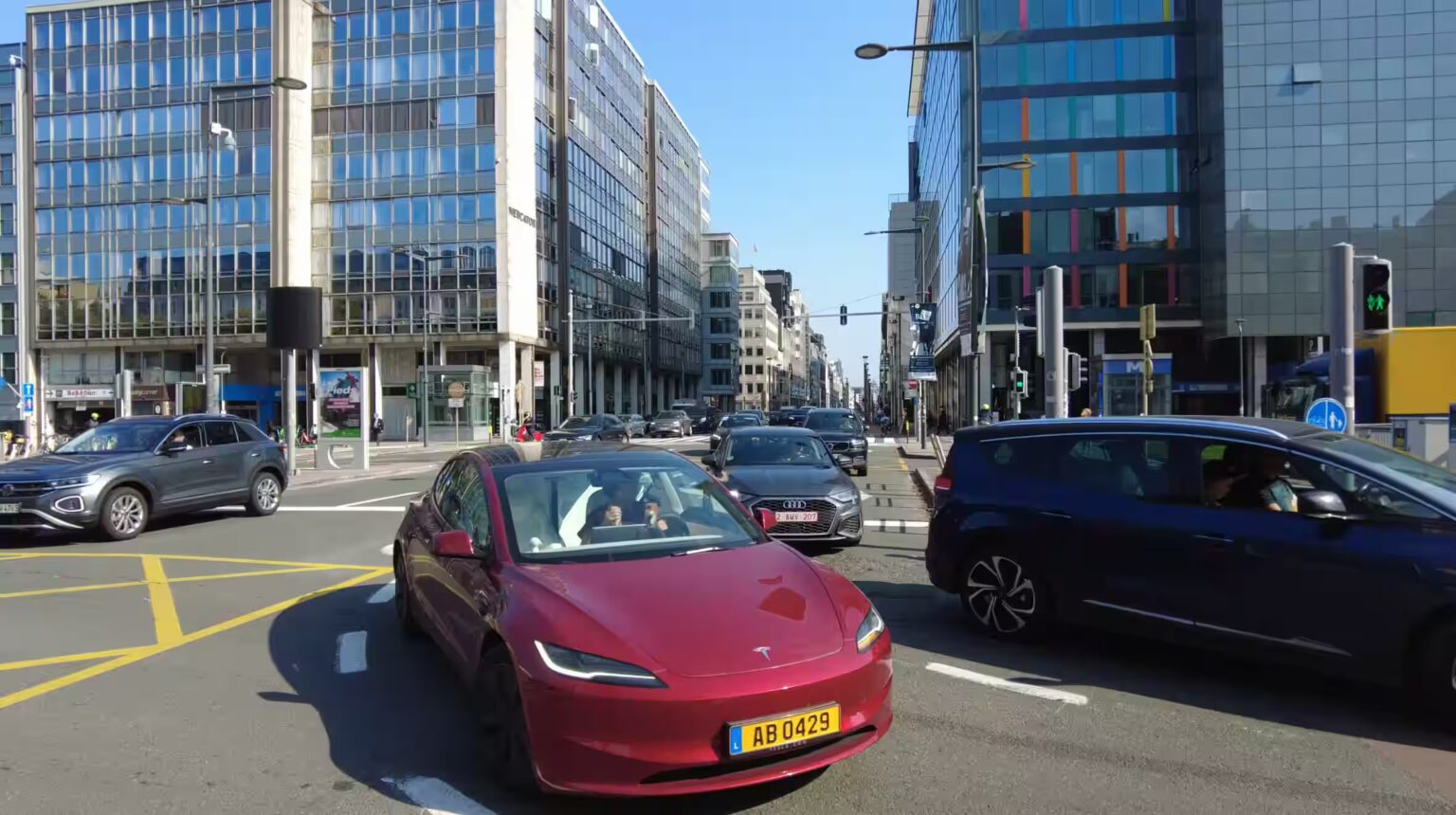
Cities are some of the most complex environments known to humans. A collision of population, constant movement, infrastructure, and economic activity, all concentrated into tightly coupled systems that operate continuously – under constant pressure. The entire grid participates in a shared environmental system where local conditions accumulate into citywide consequences.
Air quality, heat, traffic emissions, and noise increasingly shape public health outcomes, while extreme weather tests infrastructure capacity. In dense urban systems, small shifts – wind direction, street geometry, occupancy, peak-hour traffic – alter exposure patterns and amplify risk in ways that are impossible to manage by intuition. Or policy cycles, or periodic studies, or static systems.
The direction of travel for cities is toward environments that sense conditions as they emerge, interpret them continuously, and respond automatically – reducing exposure, protecting vulnerable populations, and optimizing energy use without requiring manual intervention.
Airscan helps cities and urban operators establish this capability by providing the environmental monitoring layer required to operate urban environments as intelligent, dynamic, responsive systems.
50%
The implementation of smart technologies can slash energy consumption by up to 40%.
70%
of global population will live in cities by 2050, putting untold stresses on urban systems, from degrading air quality to overloading energy grids.
$2T
The global economic cost of reduced productivity caused by heat extremes is projected to reach $2 trillion by 2030.
Airscan helps municipalities, operators, and developers build an environmental “control loop”: measuring conditions where people live and move, translating signals into thresholds and rules, and enabling actions – ventilation behaviour, operational triggers, and verified performance outcomes across buildings and districts.
Smart cities need more than a few reference points. They need neighbourhood-level intelligence that can trigger operational decisions – traffic management, alerts, targeted enforcement, and exposure reduction around sensitive sites.
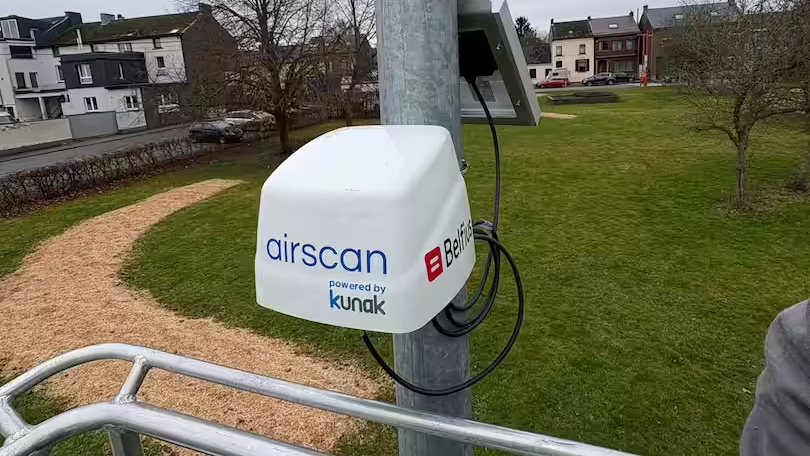
Map out how exposure shifts acorss corridors, intersections, and micro-environments with dense outdoor sensor networks - enabling city teams to define actionable threholds by zone and tie them to operational playbooks.
Airscan supports rules-based triggers for interventions such as dynamic signage, targeted routing, timed deliveries, or site-specific mitigation based on on live conditions instead of fixed schedules.
Enable continuous, location-specific pollution data that cities use to define, calibrate, and operate Low Emission Zones and school streets - linking real exposure conditions to access rules and operational triggers.
Urban sensors face drift, contamination and reliability challenges. Airscan's approach emphasizes calibration strategy, data validation, and operational checks so automated decisions remain groudned in trustworthy signals.
Smart cities cannot treat indoor and outdoor environments as separate domains. People move continuously between streets, transport, and buildings, carrying exposure with them. For city systems to manage public health and safety effectively, indoor and outdoor conditions must be read as a single connected field of information.
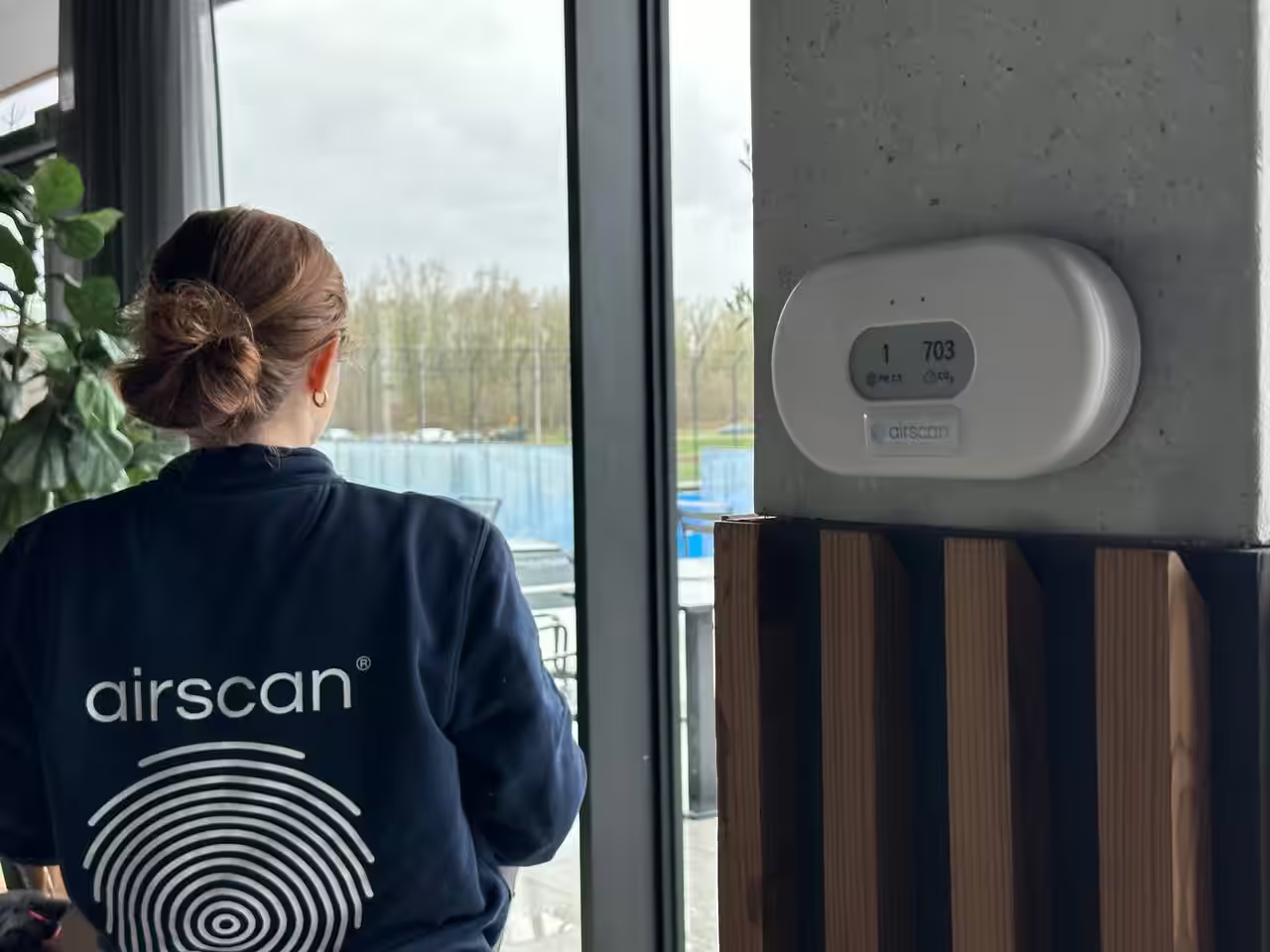
Indoor air quality monitoring provides the internal signals that complete this picture – allowing urban systems to respond as one.
Smart-city automation relies on seeing the city as one connected field. Airscan delivers the sensing and analytical layer that allows indoor and outdoor conditions to be read together, at scale, and over time. This foundation allows future city systems to behave more like a shared breathing apparatus, conducting a medley of adaptive ventilation and exposure management to respond when conditions are favourable and when they aren't.
This is where environmental intelligence becomes operational. Smart ventilation uses measured conditions to inform how and when spaces are ventilated – allowing automated systems to balance health requirements with energy performance across built environments.
Airscan delivers the data, logic, and verification that allow ventilation control strategies to operate as part of a wider city environmental system.
By combining indoor measurements with dense outdoor monitoring networks. -such as those developed through initiatives like Pure Cities and Clean Air Alliance - Airscan enables ventilation strategies. that respond to both occupancy and surrounding environmental conditions.
Airscan delivers the environmental intelligence needed for control systems to modulate ventilation based on live outdoor conditions - supporting strategies that reduce intake during high-pollution periods while maintaining healthy indoor environments when conditions improve.
Speak to us about your city context and let’s map out a practical pathway from sensing to automated response.