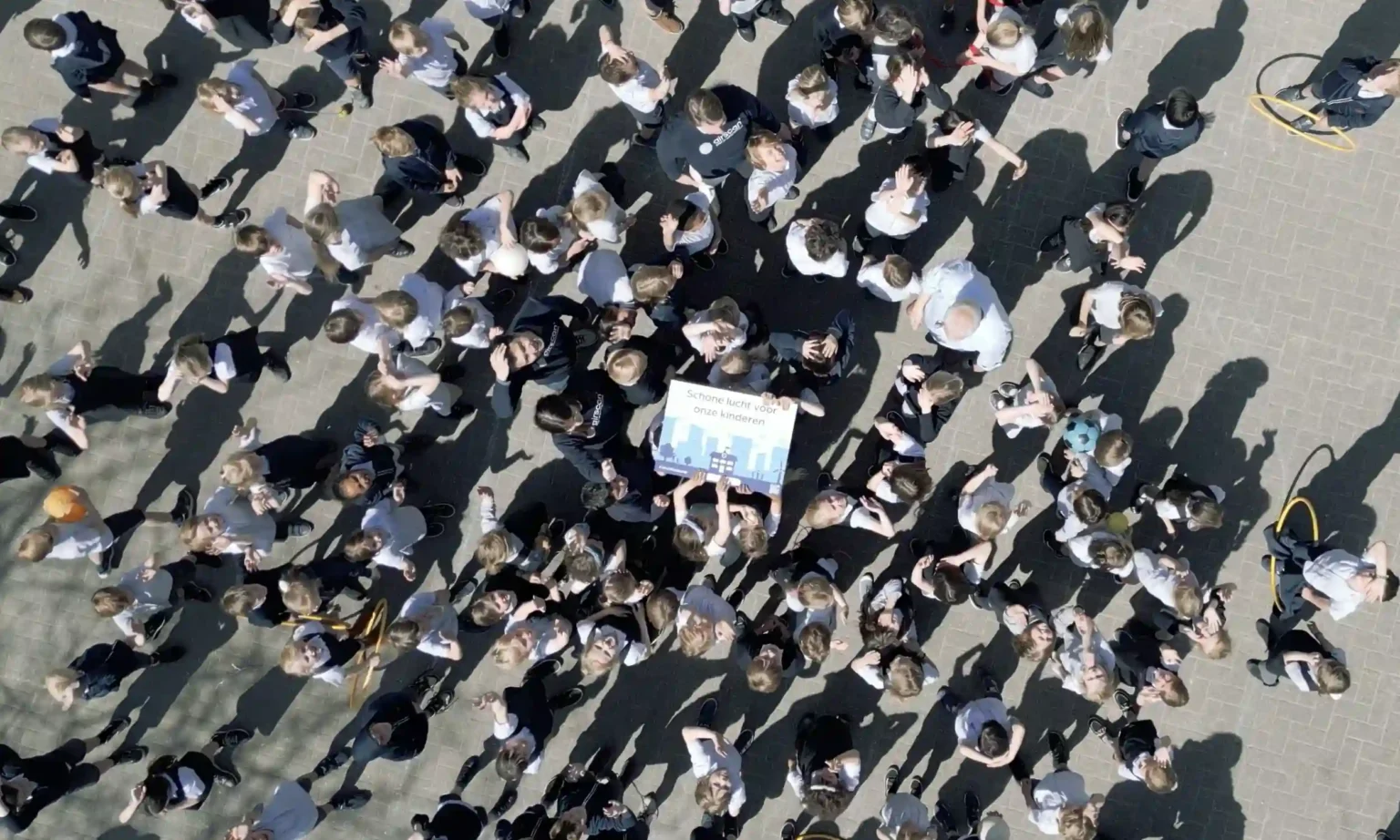
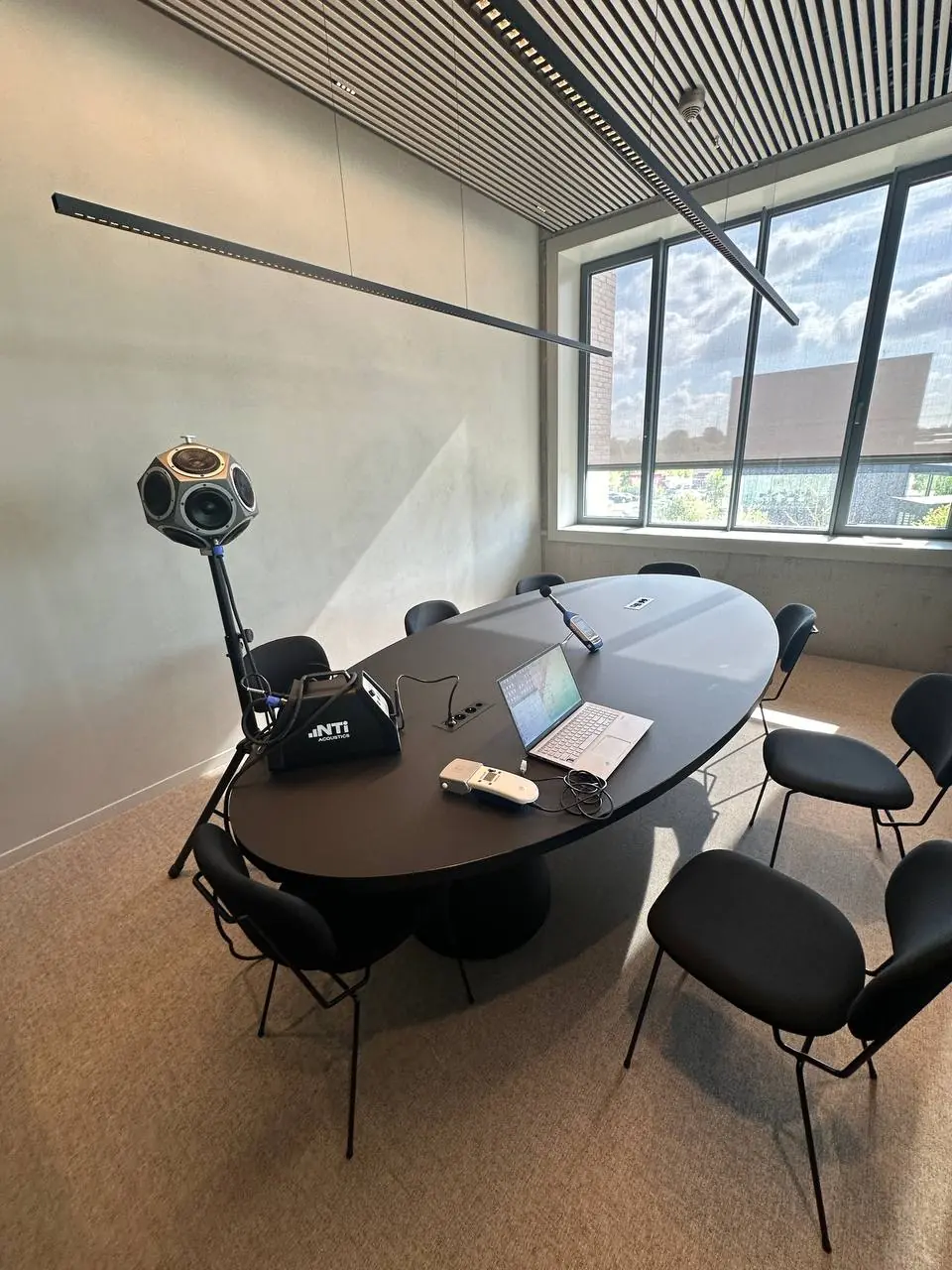
The Belgian government’s COVID-era guidance – keep windows and doors wide open during class hours – arrived with good intentions and real tradeoffs. On the CO₂ front, it worked: average concentrations in most of the monitored schools stayed within the national threshold of 900 ppm, a result that’s genuinely difficult to achieve in densely occupied classrooms without mechanical ventilation. The problem was everything that came through those open windows alongside the fresh air. Fine particles and toxic gases from outdoor traffic infiltrated classrooms directly, in some cases at levels that offset the CO₂ gains entirely.
The energy cost nobody accounted for
Opening windows all winter is an effective ventilation strategy until the heating bills arrive. In the schools Airscan monitored, average classroom temperatures in some buildings dropped to 15°C by November and stayed there until April – a level that affects concentration before it affects comfort. School leadership reported sharp increases in heating costs over that period, landing at exactly the wrong moment given the surge in European energy prices across 2022.
The smarter approach is demand-based: ventilate when CO₂ levels actually require it, and close the windows when they don’t. This is the principle behind Airscan’s strategic ventilation recommendation – a combination of CO₂ monitoring and controlled natural ventilation that keeps indoor air quality within range without running heat out of the building continuously.
What drives air quality differences between schools
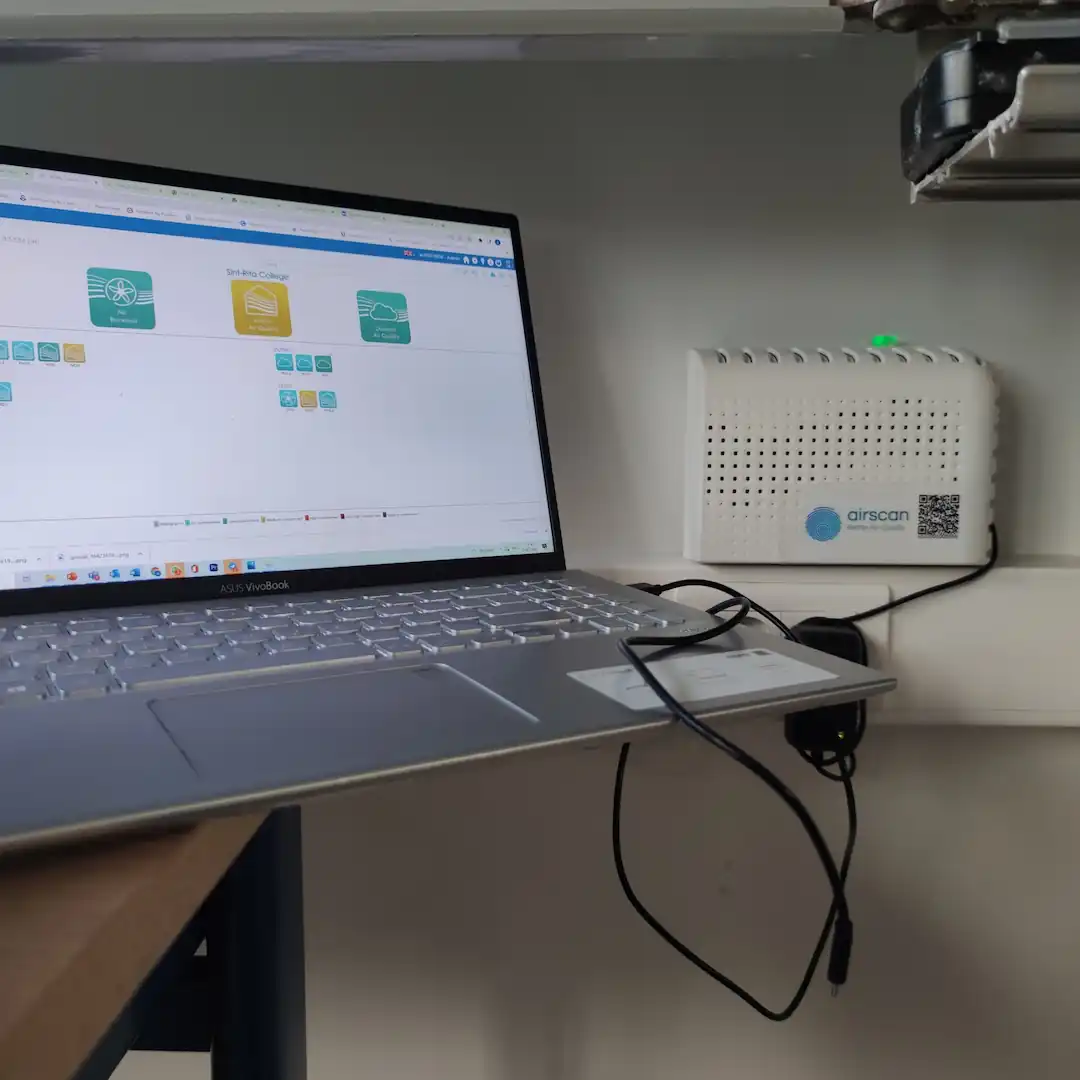
Looking across the dataset, a few consistent patterns emerged. Younger children generate more airborne particulate matter – they move around more, they’re closer to the floor, and their activities are more physical. Gyms showed higher PM concentrations than classrooms, which is expected but worth quantifying at scale. School location also turned out to matter significantly: buildings in high-traffic areas saw noticeably worse indoor air quality during periods of natural ventilation, because outdoor pollution flows directly in.
These aren’t surprising findings in isolation, but having them confirmed across 35 schools simultaneously gives them weight. The implication is that recommendations can’t be generic – they need to account for age group, room type, and location at the same time.
The numbers from 2022–2023
- 2,100+ children across Belgium benefited from the project
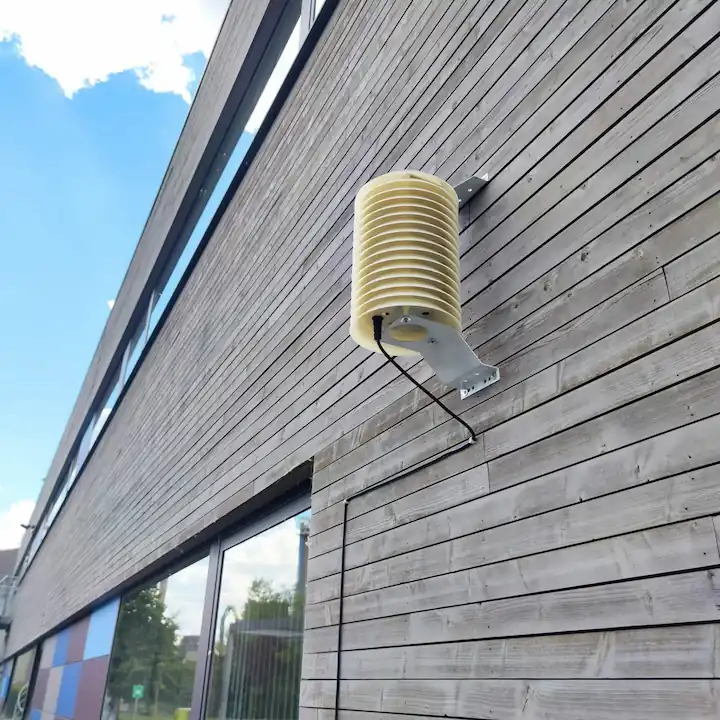
- 35 schools equipped with indoor and outdoor air quality sensor networks
- 140 devices delivered and installed
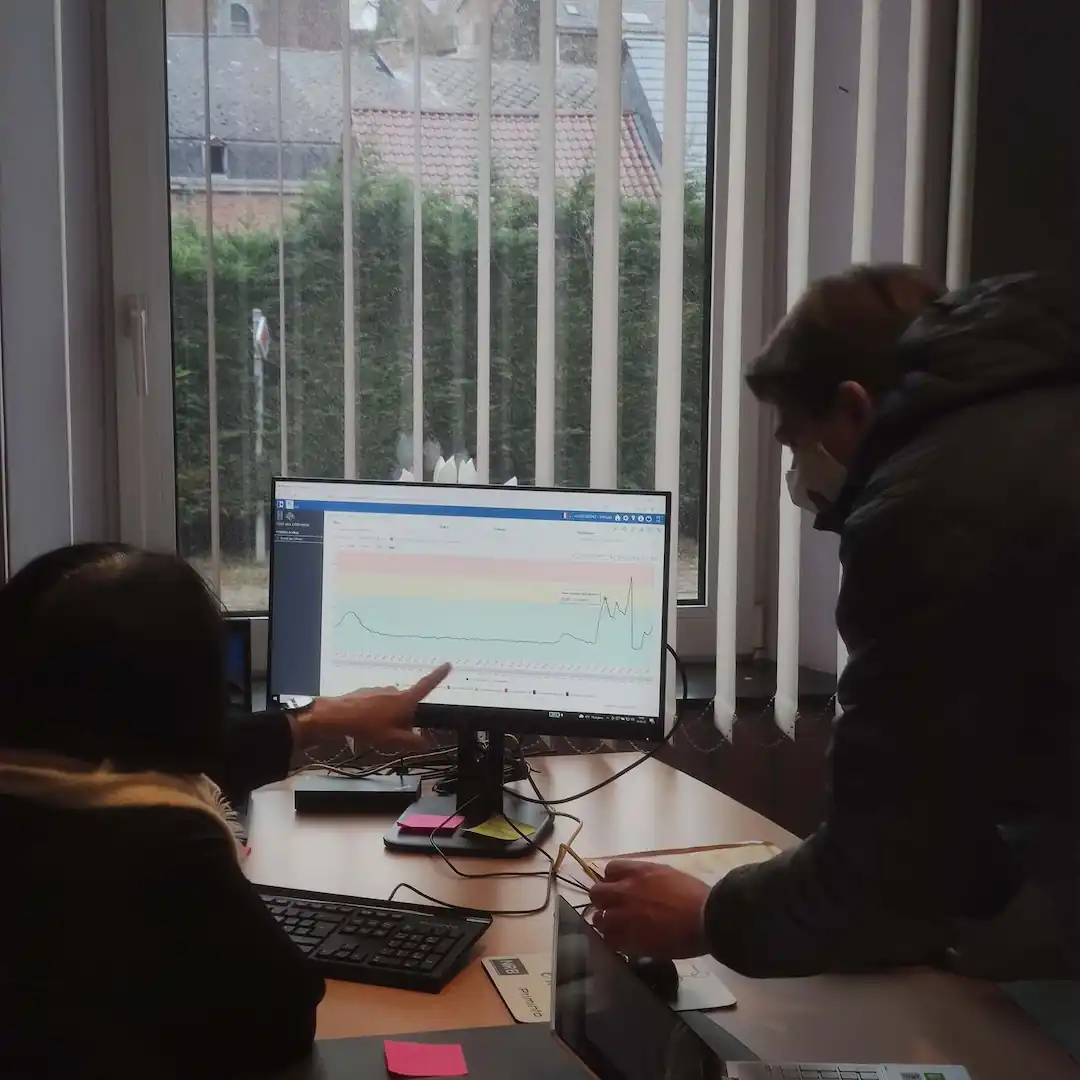
- 500+ recommendations provided to teachers, school leadership, and prevention advisors
- 10,000+ notification alerts sent to schools throughout the academic year
- 50 air purification units installed in classrooms with elevated particulate matter levels
What’s coming next
For the 2023–2024 academic year, Airscan and Belfius will expand the project to 35 additional schools. Given what the energy data showed this year, the next phase will carry a stronger focus on efficiency – finding ventilation approaches that maintain air quality without the kind of heat loss that drove heating costs up sharply last winter.