As concerns about air pollution and its impact on human health continue to grow, advances in air quality monitoring technology are reshaping how environmental and indoor air quality challenges are addressed.
By 2025, new solutions are enabling more precise, real-time, and actionable insights into air quality—both outdoors and indoors. These developments are shifting monitoring from static measurement toward continuous understanding and informed intervention.
This article explores five key trends set to shape air quality monitoring and management in the coming year.
1. Real-Time Data and Air Quality Modelling
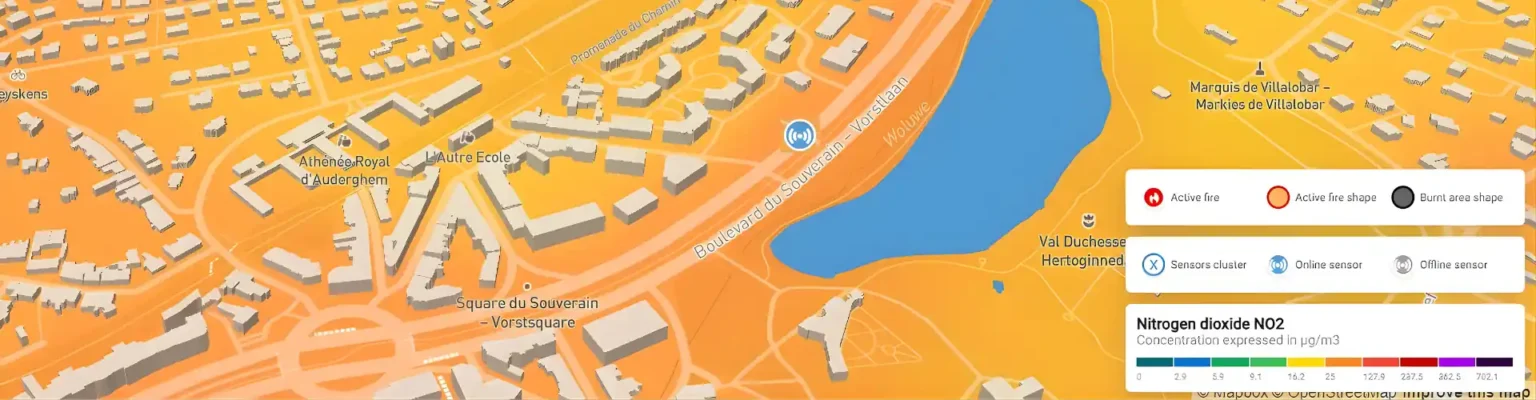
The integration of real-time data collection with advanced modelling techniques is expanding the scope of air quality monitoring.
With the growth of open data platforms and dense sensor networks deployed across urban and rural environments, live measurements can now be aggregated from multiple sources. These datasets feed into sophisticated models that provide a comprehensive view of air quality across large areas. Such approaches enable governments, researchers, and communities to track pollution dynamically, anticipate trends, and design more effective mitigation strategies.
2. AI-Powered Tailored Air Quality Analysis
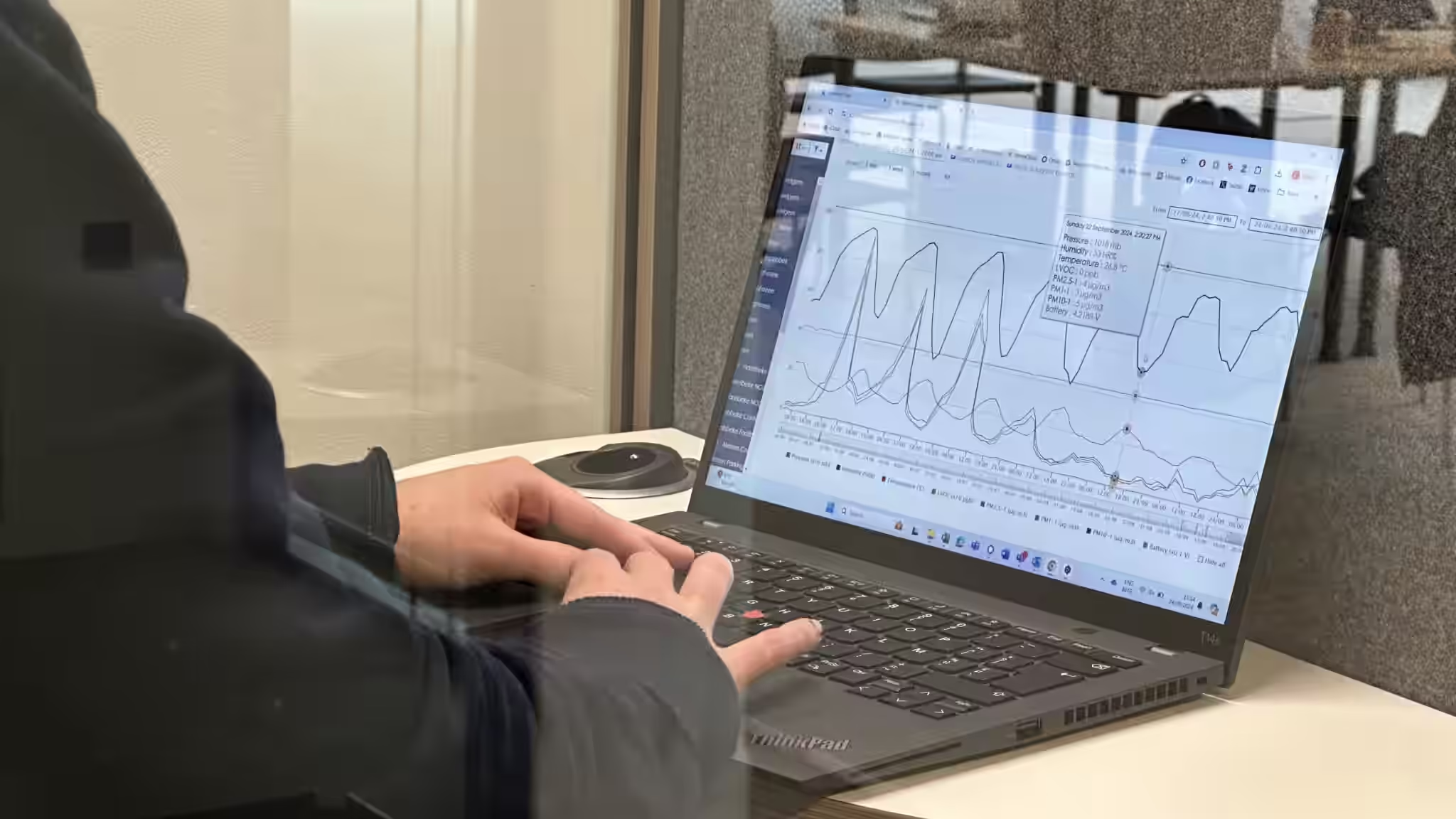
Artificial intelligence (AI) is becoming an essential tool for interpreting complex air quality datasets.
AI-driven systems can process large volumes of data, identify patterns, and detect trends more efficiently than traditional analytical methods. Beyond analysis, AI-powered platforms can generate tailored recommendations for specific contexts—such as reducing emissions in industrial areas, informing urban planning decisions, or addressing localized indoor air quality issues. This allows interventions to be both targeted and proportionate.
3. Indoor Monitoring Networks with Smart Ventilation
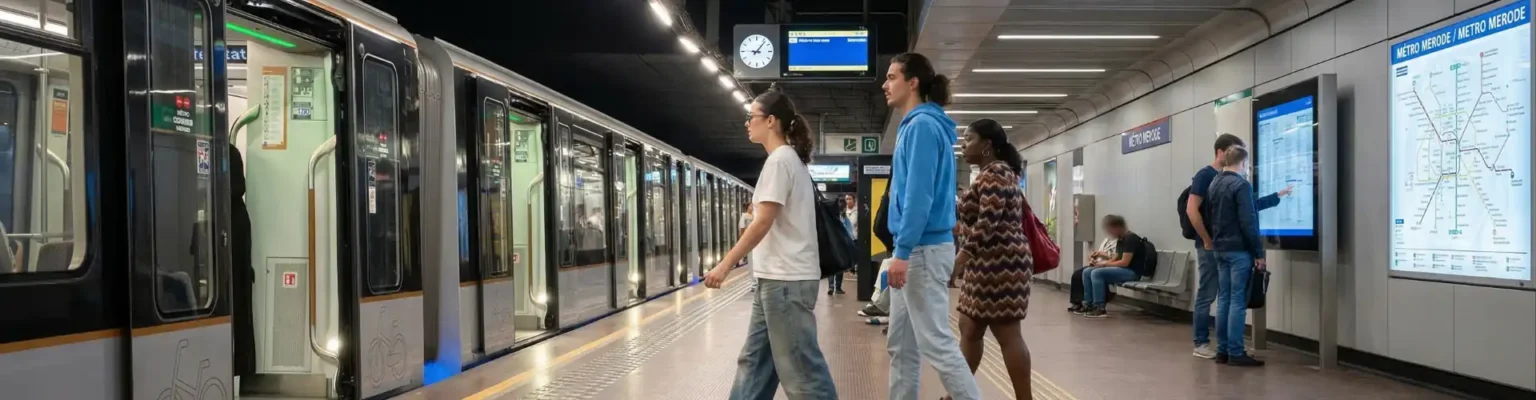
Indoor air quality is receiving increasing attention as people spend most of their time inside buildings.
In 2025, real-time indoor air quality monitoring is expected to become standard practice across many building types. When connected to smart ventilation systems, these monitoring networks can help maintain healthy indoor environments while optimising energy use. Ventilation can respond dynamically to pollution levels in specific zones or rooms, which is particularly valuable in workplaces, schools, and public buildings where air quality directly influences health, comfort, and productivity.
4. External Pollution Source Detection Through Triangulation
The ability to identify external pollution sources is transforming how air quality is managed in urban and industrial contexts.
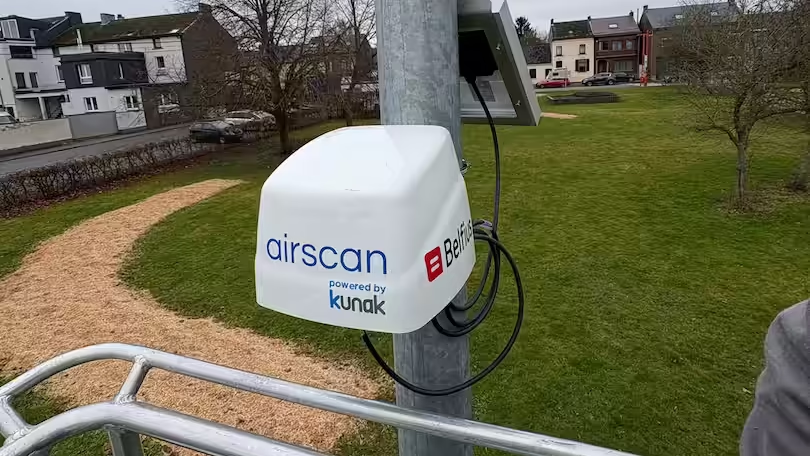
Networks of outdoor sensors measuring multiple pollutants can be strategically deployed to analyse spatial patterns. Through triangulation, these systems can help identify emission sources such as traffic corridors, industrial facilities, or other high-impact activities. This level of precision supports targeted interventions, enabling authorities to act where improvements will have the greatest effect.
5. Smart Indoor Air Quality Monitoring for Homes
Air quality monitoring is no longer limited to public buildings and workplaces.
In 2025, smart air quality monitoring devices for residential use are becoming increasingly accessible. These systems track pollution levels in key living spaces such as kitchens, bedrooms, and living rooms. With intuitive interfaces and alerts, they help occupants understand indoor conditions and take proactive steps—whether by adjusting ventilation or addressing pollution sources related to cooking, heating, or furnishings.
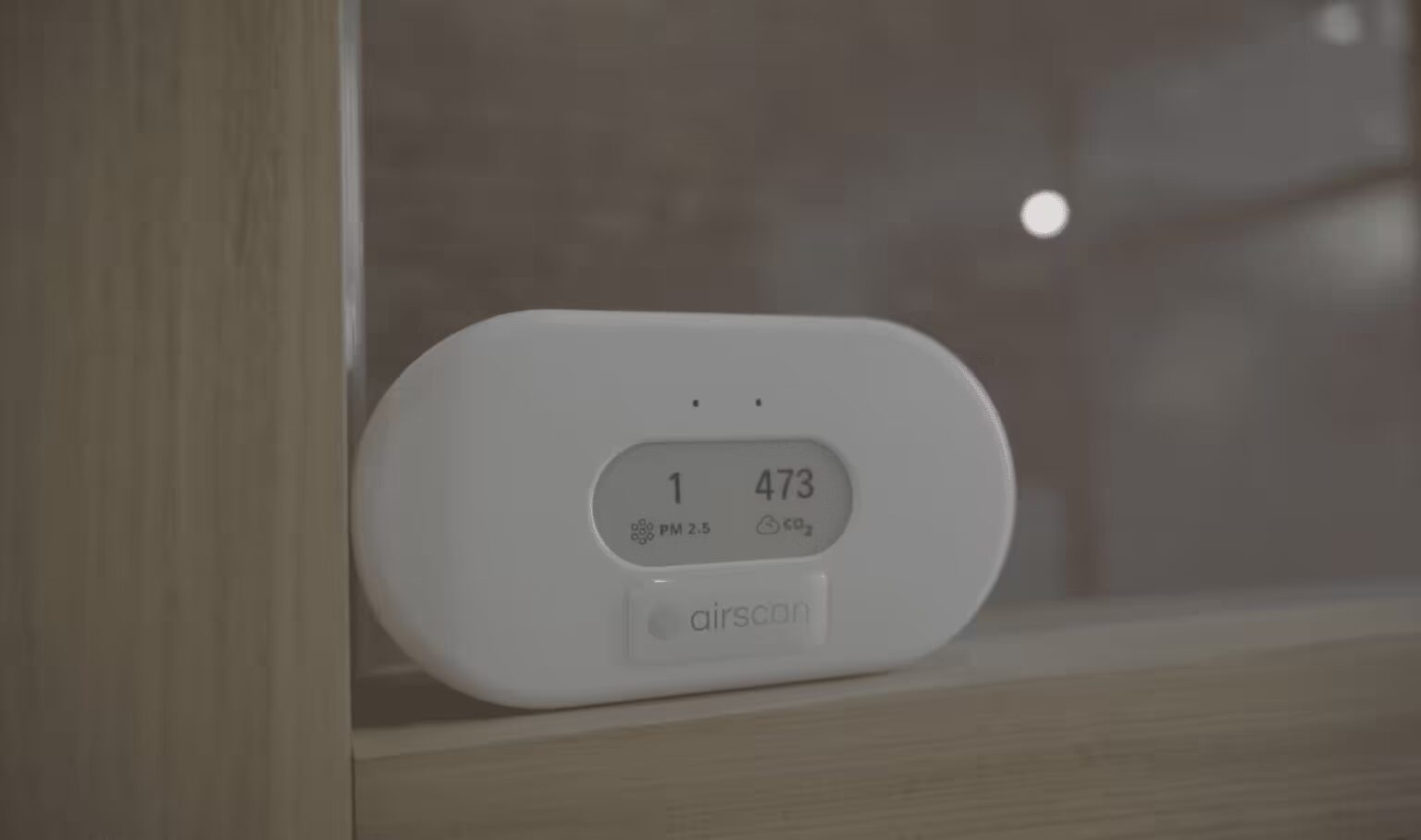
How Airscan Can Help You Keep Up With These Trends
The trends emerging in 2025 point to a future where air quality monitoring goes beyond data collection to support meaningful, evidence-based action.
From AI-driven analysis and smart indoor systems to outdoor source detection, the field is evolving rapidly. Airscan supports organisations in deploying and interpreting real-time air quality data across indoor and outdoor environments, helping translate complex measurements into practical insights.
By adopting these advances, cities, businesses, and building operators can take informed steps toward healthier, more resilient environments.