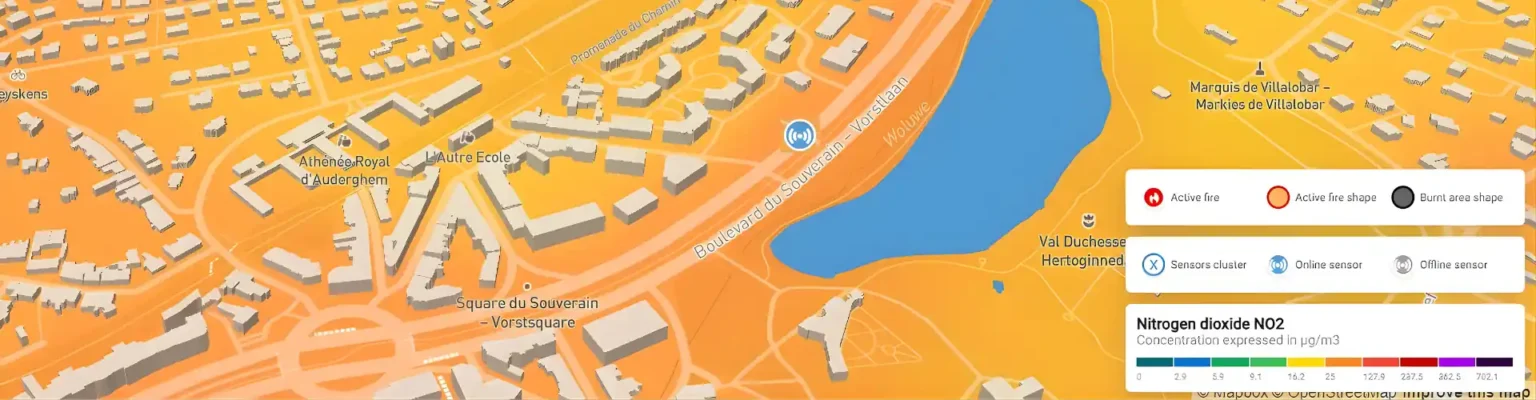
If you have spent time outdoors in Brussels over recent weeks, you may have noticed the combination of icy temperatures and stagnant winter air. These conditions are not only uncomfortable—they also contribute to elevated air pollution levels that can affect health and physical performance.
Airscan’s air quality sensors, positioned near some of the busiest areas in Brussels, recorded pollutant concentrations well above European thresholds across the city and surrounding areas. As a result, outdoor exercise and daily activities may have been more affected by air quality than many people realised.
The pollutants
This analysis focused on two pollutants known to pose health risks at elevated concentrations:
- PM₂.₅ (particulate matter with a diameter of 2.5 micrometres or less)
- NO₂ (nitrogen dioxide)
Over a two-week period, several days exceeded both European and Belgian threshold values—10 µg/m³ for PM₂.₅ and 10 ppb for NO₂. On certain days, including 12 January, concentrations were more than twice the European and Belgian limits and up to four times higher than the guidelines set by the World Health Organization.
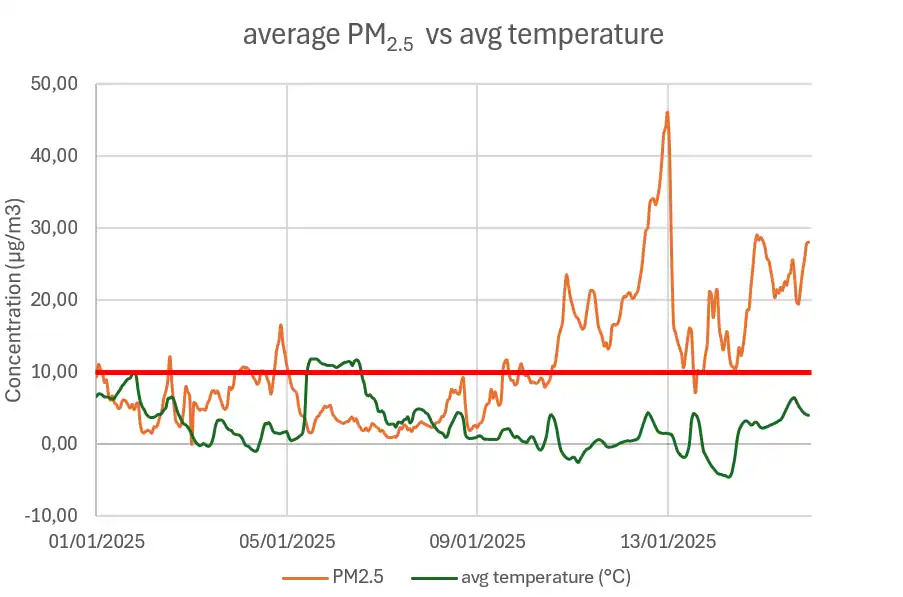
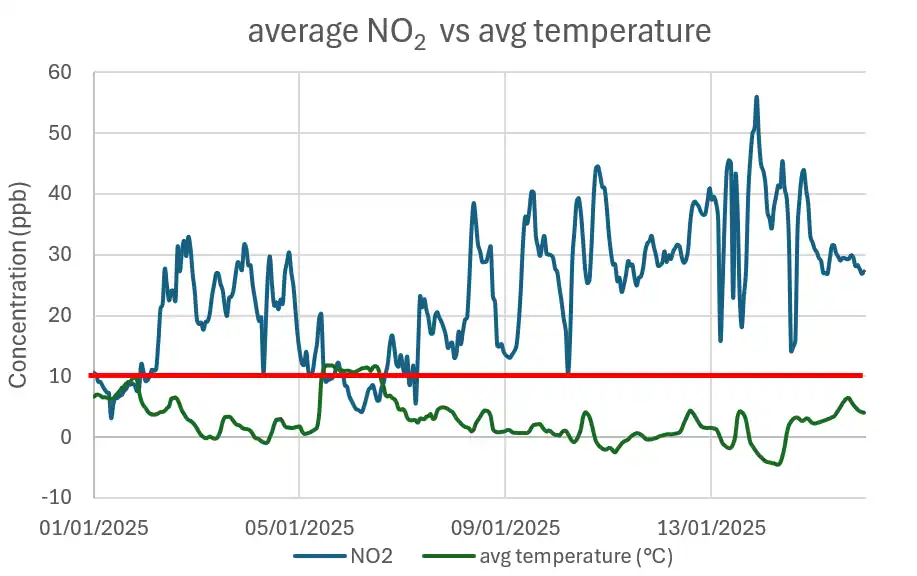
Figure 1: Average PM₂.₅ and NO₂ concentrations compared with average temperature
Pollution and winter conditions
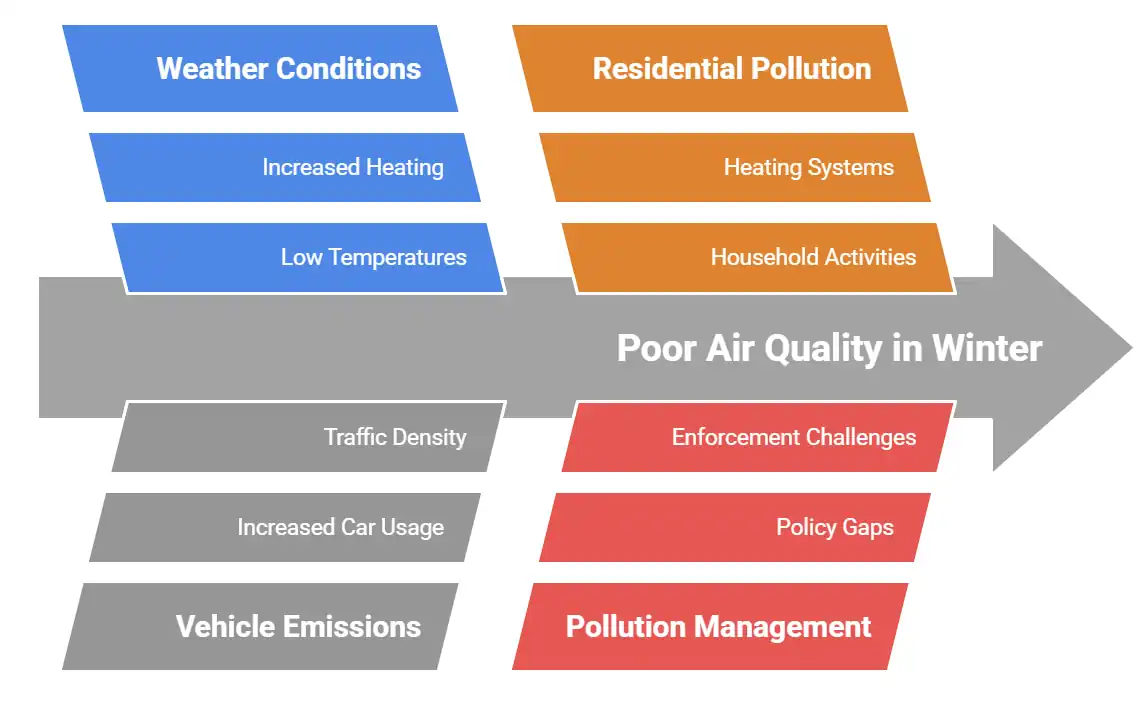
The data shows a clear inverse relationship between temperature and pollution levels: as temperatures dropped, pollutant concentrations increased. This pattern reflects seasonal behaviour, driven largely by increased use of vehicles and residential heating systems during colder periods.
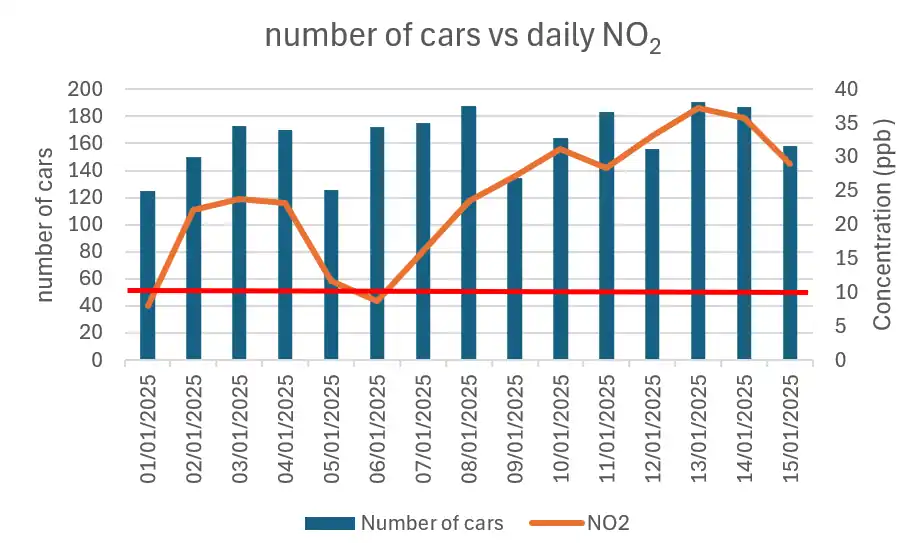
Figure 2: Vehicle numbers compared with daily NO₂ concentrations
For much of the monitoring period, NO₂ concentrations closely followed traffic trends, highlighting the significant contribution of road transport to urban air pollution. PM₂.₅ concentrations, while also influenced by traffic, were more strongly associated with residential sources such as heating.
Health risks
Due to their small size, PM₂.₅ particles can penetrate deep into the respiratory system, contributing to asthma, airway irritation, reduced lung function, and increased risk of premature death.
Exposure to elevated NO₂ levels can cause bronchial inflammation and reduced pulmonary function. Exercising in such conditions may lead to symptoms including coughing, breathing discomfort, and increased blood pressure—particularly during intense physical activity.
Forecast and recommendations
Weather forecasts indicate incoming rainfall, increased wind speeds, and slightly higher temperatures in the coming days. These conditions typically improve air quality, as rain helps remove pollutants from the air and wind disperses them.
However, long-term improvement depends on preventing pollution peaks in the first place. Practical actions that can help reduce emissions include:
- Carpooling, using public transport, cycling, or choosing shared and electric vehicles
- Reducing the use of domestic chimneys
- Improving home insulation to lower energy demand and emissions
These measures contribute to cleaner air and a healthier urban environment for everyone.