The European Union has taken a significant step toward safeguarding public health and protecting the environment with the adoption of a new European Air Quality Directive, officially known as Directive (EU) 2024/2881. This legislation introduces tighter pollutant limits, enhanced monitoring requirements, and stronger citizens’ rights—marking a major milestone in Europe’s commitment to achieving “zero air pollution” by 2050.
A clear commitment to clean air
Recognising that air pollution remains Europe’s leading environmental health risk—causing an estimated 300,000 premature deaths each year—the directive aims to substantially reduce emissions and improve air quality across all Member States.
“Air quality in Europe must cease to be a threat and become a guaranteed right,”
said the EU Commissioner for Environment, Oceans and Fisheries.
Key changes and objectives
Adopted on 23 October 2024, the directive replaces earlier frameworks (Directives 2004/107/EC and 2008/50/EC). It aligns more closely with recommendations from the World Health Organization, whose air quality guidelines were last reviewed in 2021, while establishing clearer obligations and implementation timelines for Member States.
Stricter pollutant limits
The directive introduces substantial reductions in permissible levels for several critical pollutants, as outlined in the table below. Limits for sulphur dioxide (SO₂) have also been tightened, reflecting updated public health guidance—particularly for densely populated urban areas.
Enhanced monitoring and data accuracy
To support compliance, the directive mandates expanded and more reliable air quality monitoring networks. Member States must increase the number of sampling stations, particularly around sensitive locations such as schools, hospitals, and industrial zones, and deploy advanced measurement technologies.
Airscan’s tools and services—developed in line with European Committee for Standardisation (CEN) specifications—are designed to deliver high-accuracy data to support policymaking, real-time alerts, and regulatory enforcement.
Addressing emerging pollutants
Beyond traditionally regulated pollutants, the directive introduces monitoring requirements for additional indicators, including black carbon, ultrafine particles, ammonia, and non-methane volatile organic compounds (NMVOCs). This reflects a broader and more preventive approach to air quality management and associated health risks.
Advancing air quality modelling
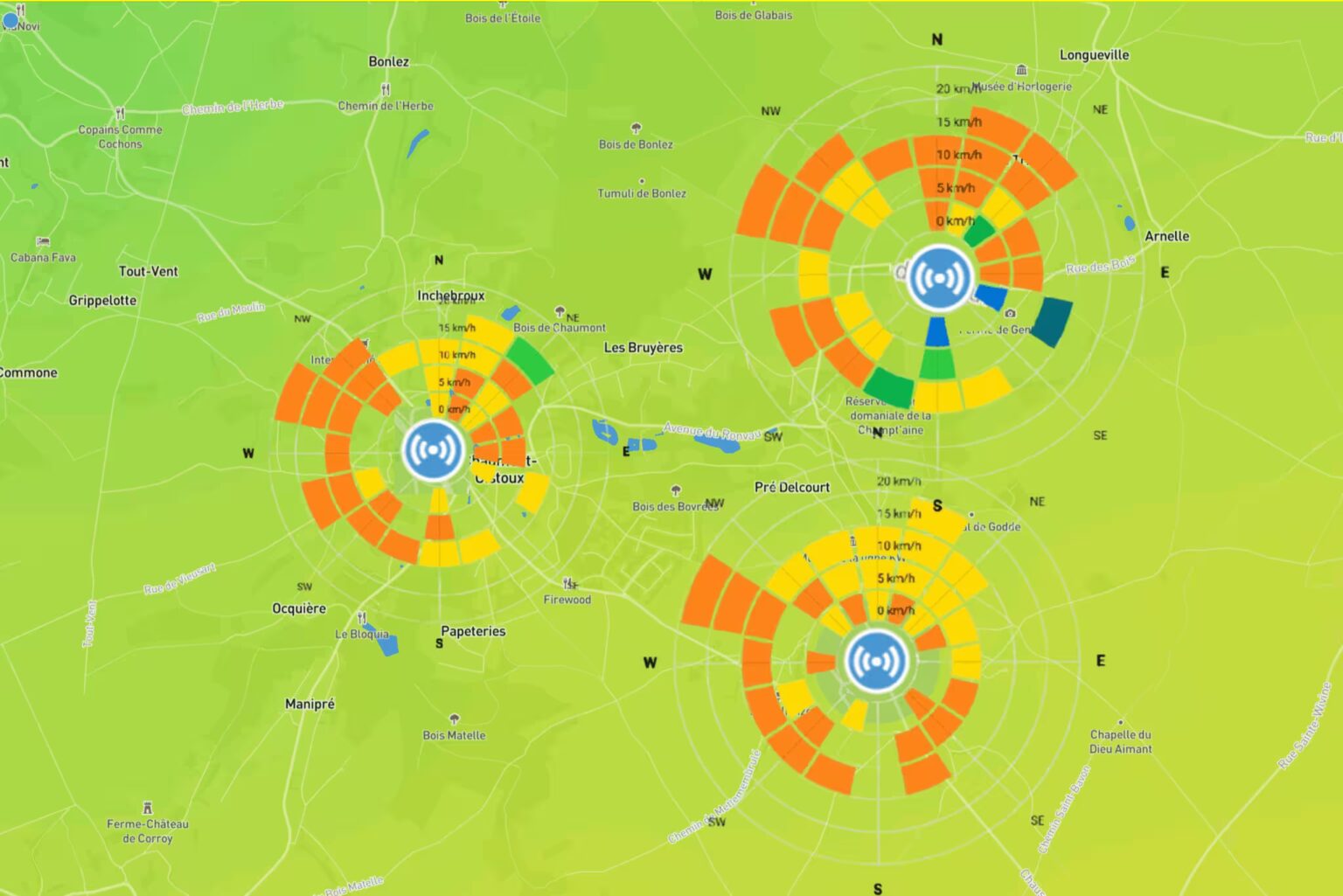
The directive also strengthens the role of air quality modelling, making it mandatory in many scenarios—particularly where limit values are exceeded. This enhances predictive capabilities, scenario analysis, and spatial assessment, including the use of satellite data from the Copernicus Programme.
Empowering citizens
European citizens gain stronger rights under the new framework, including improved access to real-time air quality information and the ability to seek compensation when health damage results from non-compliance. This represents a significant shift in accountability for both public authorities and private actors.
Implications and opportunities
Meeting the directive’s requirements will demand substantial investment from both the public and private sectors, spanning urban planning, industrial operations, and mobility systems. At the same time, the transition offers opportunities to modernise cities, foster innovation, and accelerate Europe’s environmental transition through data-driven solutions.
A path forward
While the new regulation introduces challenges, it also positions Europe as a global leader in air quality governance. With robust data, reliable monitoring technologies, and sustained political commitment, clean air can increasingly be treated as a right rather than a privilege.