Airscan announces the launch of Clean Air for Schools, a nationwide initiative developed in partnership with Belfius to assess and improve air quality in Belgian schools.
The partnership builds on Belfius’s long-standing commitment to sustainability. As the first major Belgian bank to operate as carbon-neutral, Belfius has focused extensively on reducing environmental impact across society. With Clean Air for Schools, that focus extends indoors—towards the everyday environments where children spend a large share of their time.
Why air quality in schools matters
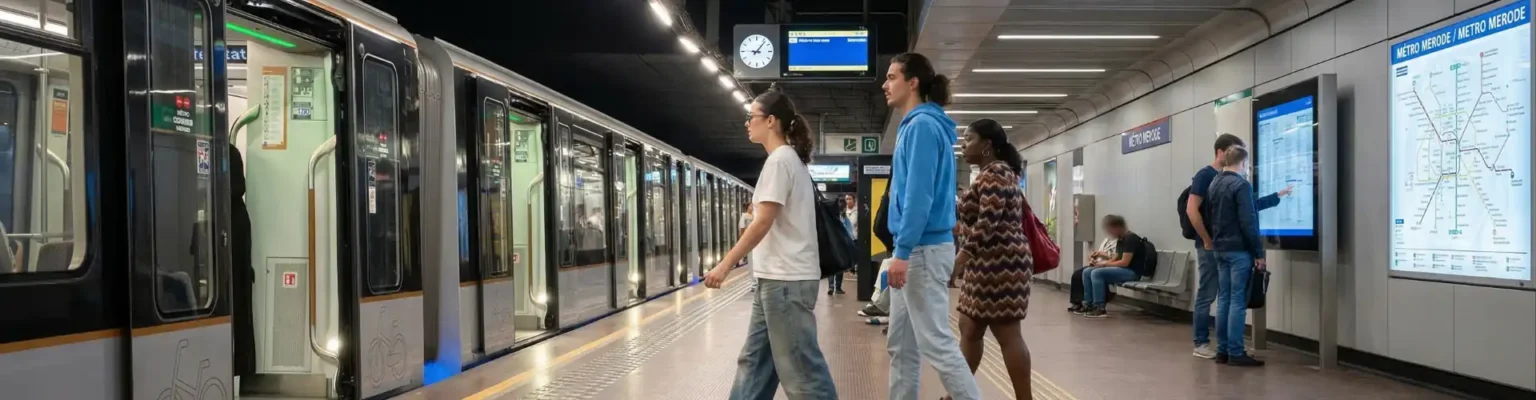
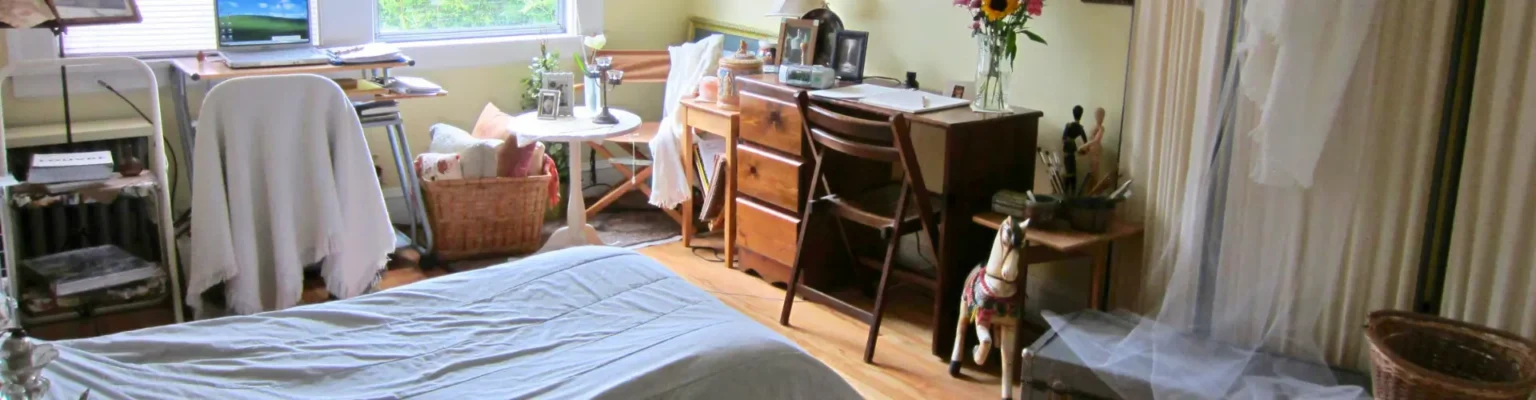
Schools are particularly vulnerable to poor indoor environmental conditions. Inadequate ventilation and degraded ambient air quality remain among the most common issues. Children are more susceptible to air pollution than adults, as their lungs are still developing and their exposure per body weight is higher.
Long-term exposure to polluted indoor air has been associated with reduced lung capacity and increased risk of chronic respiratory and neurological diseases. While such outcomes develop over time, the underlying conditions often go unnoticed in daily school operations.
A Greenpeace study conducted in 2017 highlighted the scale of the issue in Belgium. Only 3% of the schools assessed showed good air quality, while 61% were classified as poor or worse. In several cases, concentrations of individual pollutants exceeded legal limit values.
The reopening of schools in the context of the COVID-19 pandemic added further urgency. Scientific evidence has since confirmed that indoor air quality plays a significant role in airborne virus transmission. Elevated particulate matter and insufficient air renewal increase the likelihood of spread, reinforcing the need for systematic monitoring and control.
Clean Air for Schools: a two-phase approach
Phase 1 – Diagnose
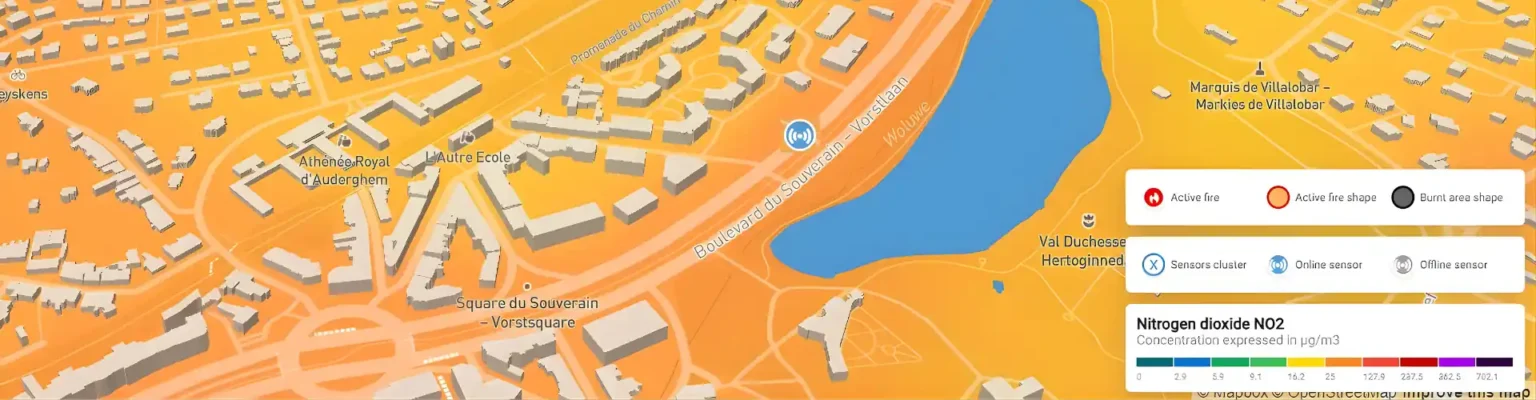
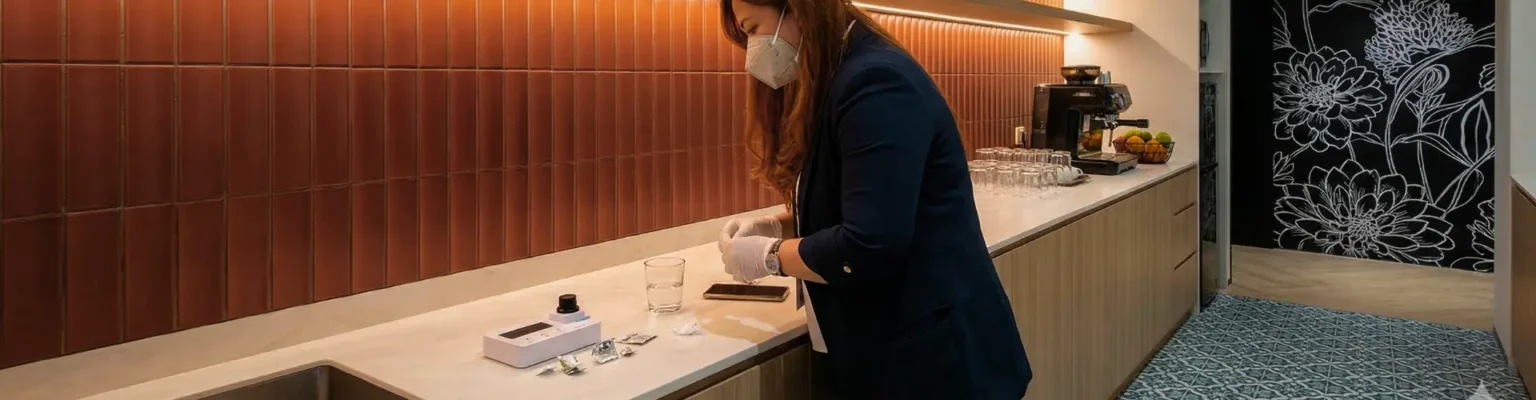
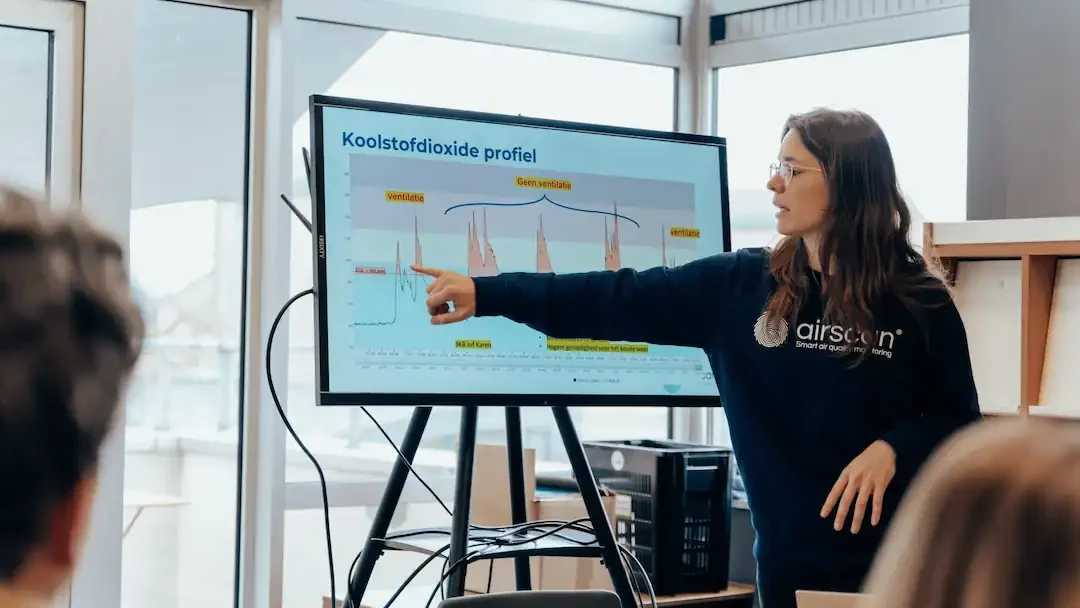
The project begins with continuous monitoring of indoor and ambient air quality across a large selection of Belgian schools. Airscan deploys modern sensor technology supported by cloud infrastructure, artificial intelligence, mobile applications, and Internet of Things (IoT) systems.
Teachers and school staff receive real-time visibility into environmental conditions and automated alerts when pollutant concentrations exceed thresholds defined by national authorities. This diagnostic phase establishes how classrooms actually perform in daily operation, rather than how they are assumed to perform.
Phase 2 – Action
Data collected over time informs targeted improvement plans for each school. Rather than applying uniform measures, interventions are tailored to local conditions. These may include adjustments to heating and ventilation strategies, recommendations on natural or mechanical air renewal, or mitigation of specific indoor pollution sources.
Where necessary, the solution set includes the deployment of air purification systems designed for educational environments. Airscan has selected equipment from Genano, a Finnish-Belgian manufacturer whose plug-and-play purifiers are already used in more than 3,000 classrooms in Finland. The systems combine electrostatic separation and carbon filtration to remove particulate matter, microbes, volatile organic compounds, and harmful gases.
“When we started measuring air quality in schools, the scale of the challenge became immediately clear,” says Jérôme De Waele, Managing Director of Airscan. “Until now, the missing piece was sustained funding to act on that evidence. This long-term partnership with Belfius allows us not only to diagnose conditions, but to improve them at meaningful scale.”
The initiative aligns closely with Belfius’s stated ambition to act as a constructive example for Belgian society. By supporting Clean Air for Schools, the bank contributes directly to creating safer, healthier learning environments for children—addressing an environmental issue that is both widespread and largely invisible.