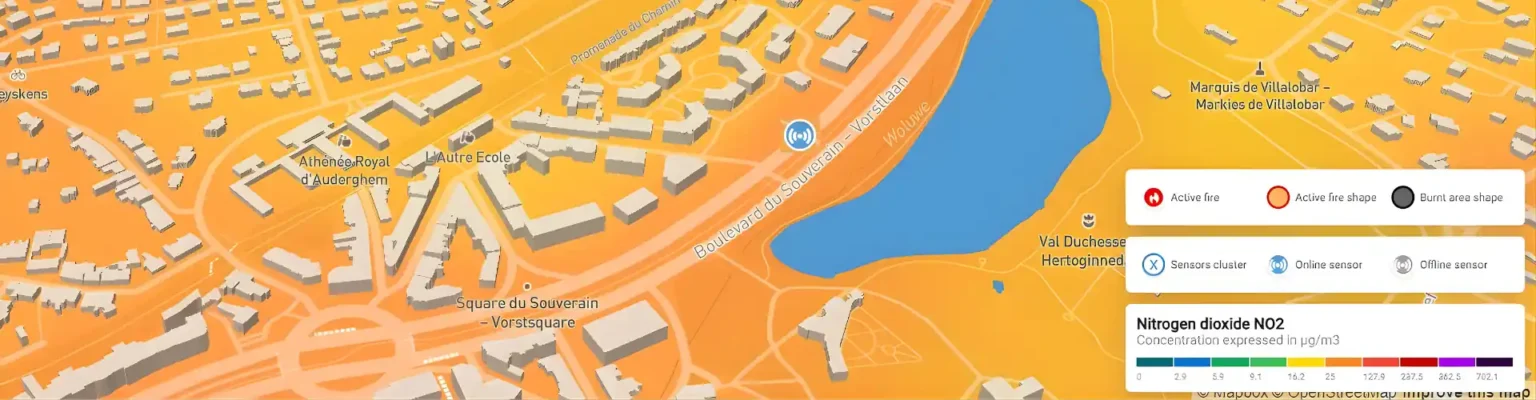
With events such as the Brussels Marathon taking place in the heart of the city, it is striking how little attention is often paid to the health risks posed by air pollution for everyday athletes. Exercising in urban environments exposes individuals to higher concentrations of pollutants, particularly as physical exertion increases breathing rate and depth.
Although Brussels is not among the most polluted cities globally, air pollution levels can still exceed thresholds established by the World Health Organization (WHO). For athletes, understanding these risks—and learning how to train under optimal conditions—is essential for both health protection and performance.
How Can Air Pollution Affect an Athlete?
Short-Term Effects
Exposure to polluted air during exercise can trigger immediate physiological responses, including:
- Increased systolic blood pressure, reflecting acute cardiovascular stress
- Bronchial inflammation and reduced pulmonary flow, often linked to inhalation of fine particulate matter (PM₂.₅) and nitrogen dioxide (NO₂)
- Respiratory symptoms, such as coughing, chest tightness, shortness of breath, headaches, and throat irritation
Athletes may also experience an unusually elevated heart rate and difficulty breathing deeply during or after training sessions in polluted environments.
Long-Term Effects
The long-term consequences of repeated exercise in polluted air remain less clearly defined. Research suggests that while physical activity generally continues to provide health benefits—even in polluted environments—those benefits may be reduced compared to training in cleaner air.
The primary concern lies in cumulative exposure, particularly during prolonged or repeated training sessions in high-pollution conditions. Over time, this exposure may increase the risk of respiratory and cardiovascular issues.
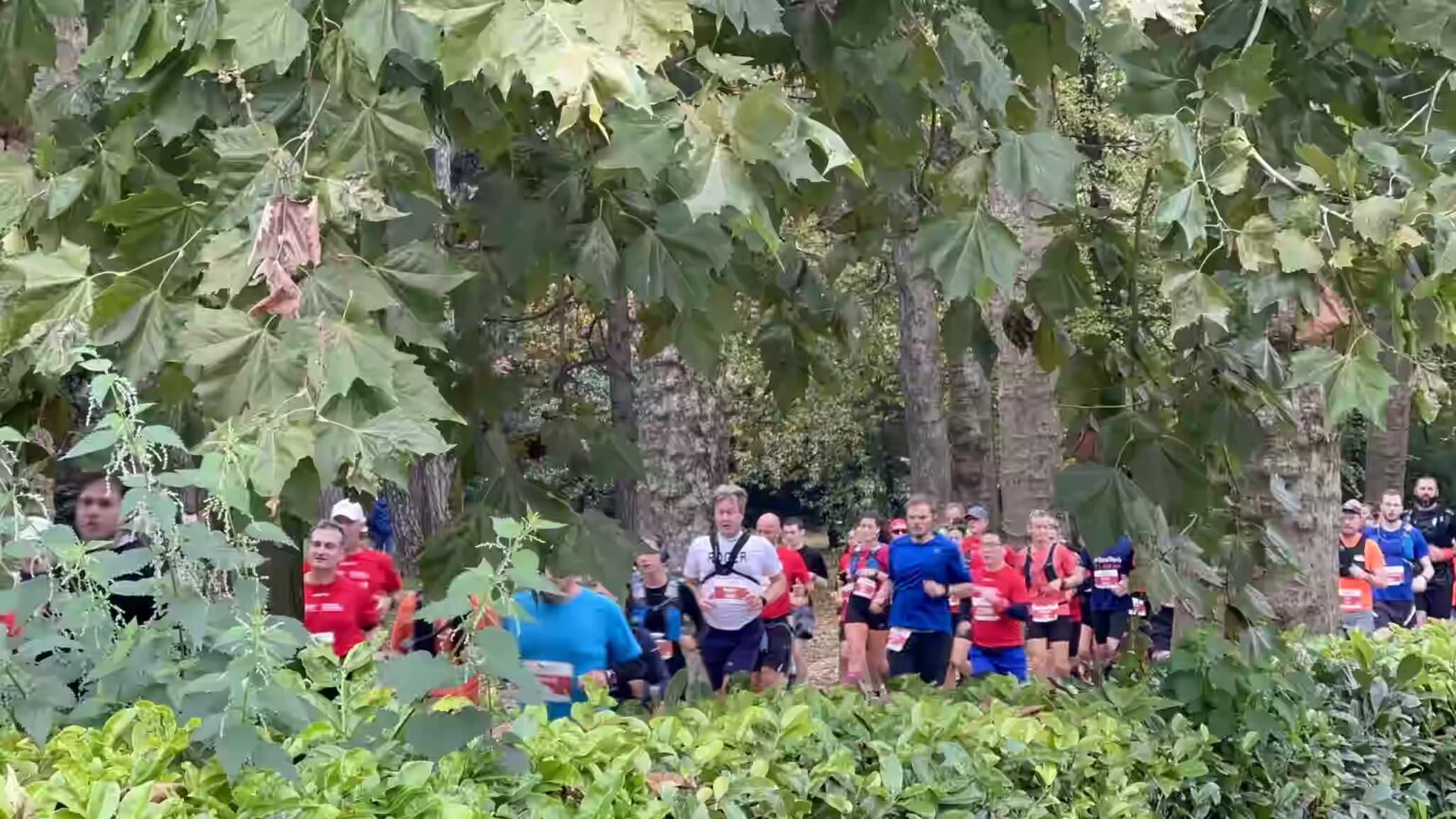
Case Study: São Paulo
A mathematical model-based study conducted in São Paulo provides valuable insight into how pollution can affect athletic performance. The study found that:
- In less polluted environments, physical activity consistently improves health
- In highly polluted cities, health benefits begin to diminish after just 15 minutes of exercise
- Among young, healthy men, the health risks associated with pollution may outweigh exercise benefits after approximately 75 minutes
While the study does not account for all pollutant types, it highlights the potential dangers of prolonged outdoor exercise in heavily polluted urban settings.
Athletes’ Responses to Pollution
Not all athletes respond to air pollution in the same way. A study from 1980 examining exposure to high ozone concentrations found that:
- 68% of athletes experienced significant or severe airway obstruction
- 32% showed bronchial dilation, a normal response to exercise, although this effect diminished with continued pollution exposure
These findings suggest varying levels of sensitivity among individuals, reinforcing the importance of personal awareness and monitoring.
Common Symptoms to Watch For
Athletes training in polluted environments should be attentive to symptoms such as:
- Coughing
- Shortness of breath or inability to breathe deeply
- Chest tightness
- Headaches
- Throat irritation
- Elevated heart rate
Ignoring these signs can increase the risk of more serious respiratory or cardiovascular complications.
Physiological Considerations During Exercise
During physical activity, ventilation increases substantially. At rest, adults typically breathe 6–8 litres of air per minute, but this can rise to 30–40 litres per minute during exercise—especially among trained athletes.
At higher ventilation rates, breathing often shifts from the nose to the mouth, bypassing the nose’s natural filtration of larger particles. This exposes the lungs to greater quantities of airborne pollutants, increasing potential health risks.
Air Pollution and the Brussels Marathon
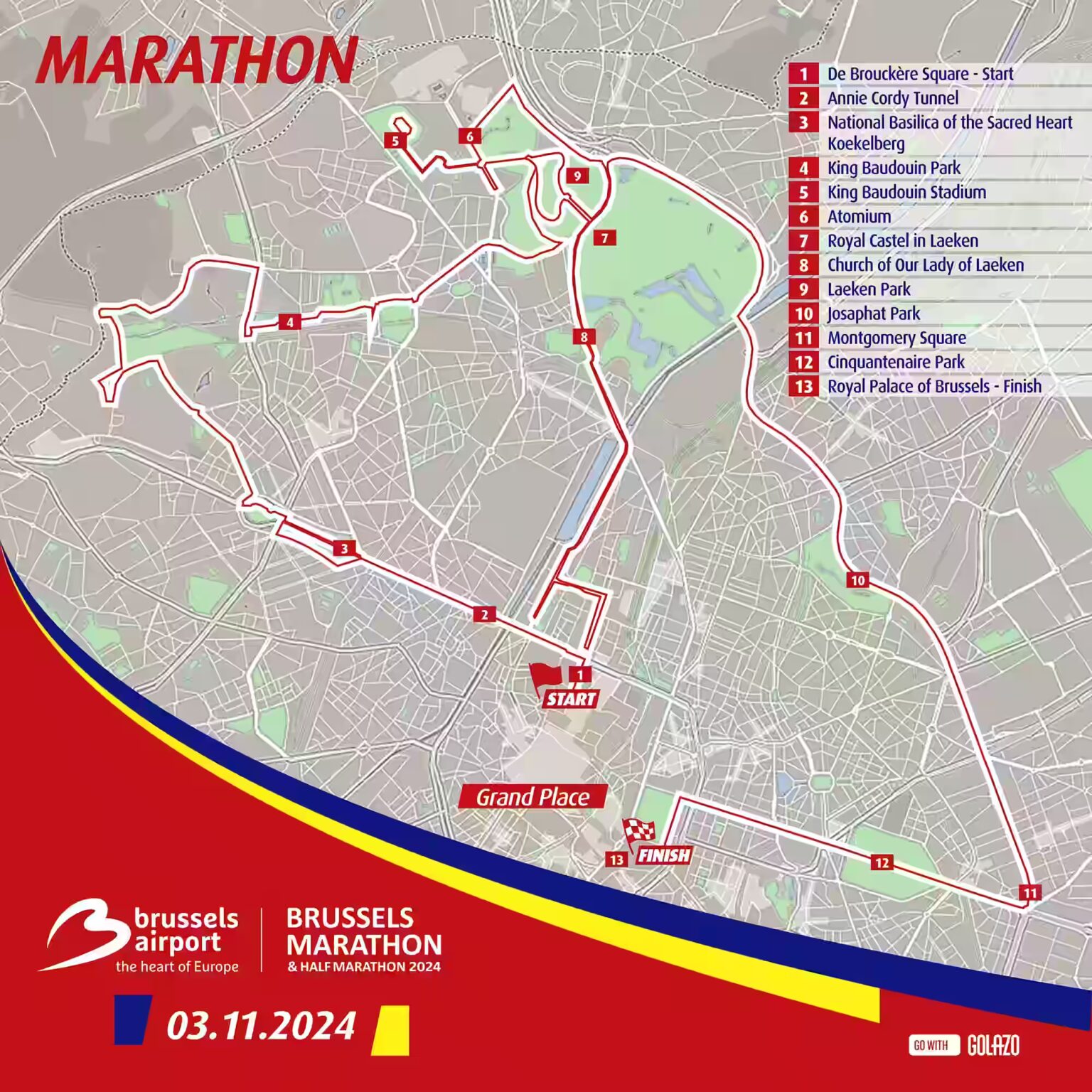
In 2021, a campaign measuring nitrogen dioxide concentrations across Brussels mapped pollution levels along the marathon route. The results showed that:
- The first and last sections of the course exhibited relatively poor air quality
- These areas typically experience heavy traffic
Although roads are closed during the event, surrounding traffic diversions and vehicle idling may still contribute to elevated pollution levels on race day.
Recommendations for Athletes
Awareness of air pollution risks allows athletes to train more safely and effectively. Practical recommendations include:
- Reducing training intensity and volume during periods of high pollution
- Avoiding exercise near major pollution sources, particularly during rush hours
- Using protective masks, such as FFP2 or specialised running masks, which can filter a high proportion of fine particulate matter
While physical activity remains essential for health, adapting training habits based on air quality conditions can significantly reduce associated risks. Monitoring tools—such as air quality widgets and applications—offer a simple first step toward informed training decisions in urban environments like Brussels.