By Ts. Syida Nazri, IAQ Assessor at Airscan Malaysia
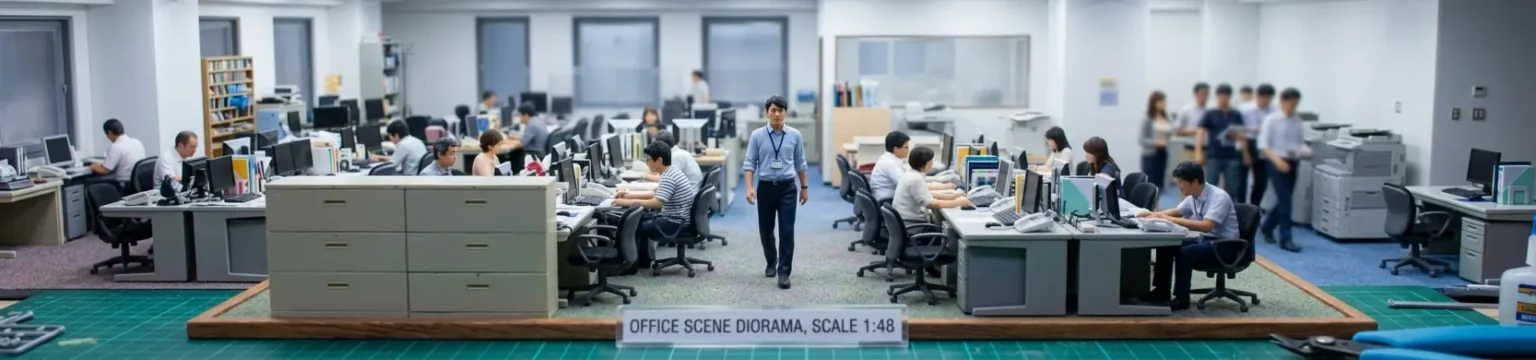
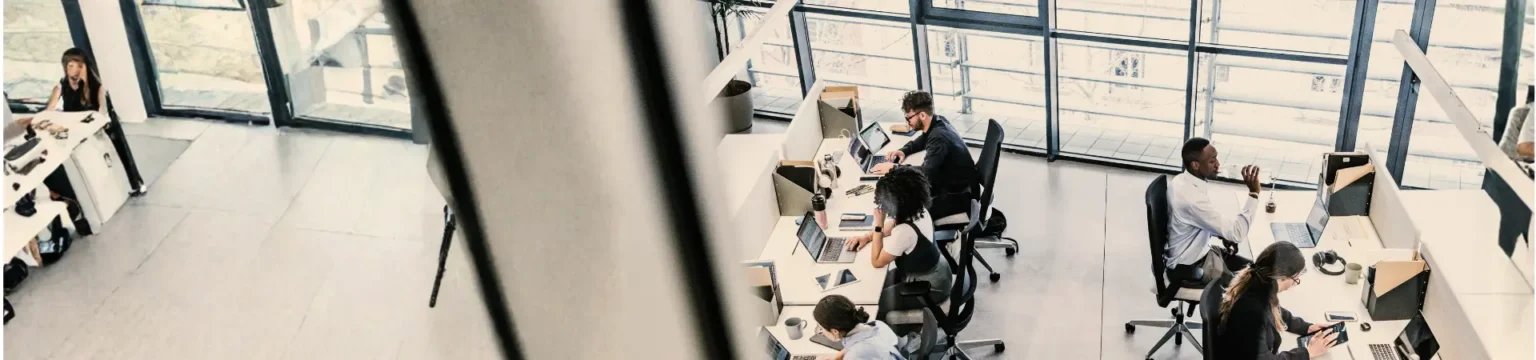
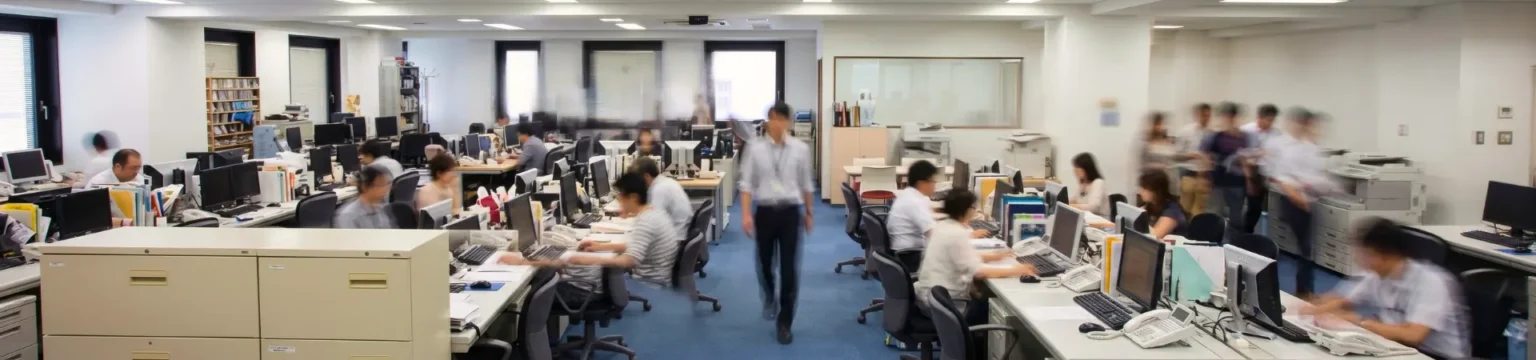
The pattern usually reaches me second-hand, from an office manager describing something their staff cannot quite name: the team is fine on Monday morning and dragging their feet by mid-afternoon. One person has had a headache all week that clears the moment they step outside. Some prefer working from the café downstairs because “it helps them think better”. There are reports of coughs and blocked noses that never quite turn into a cold. Nobody is unwell enough to stay home, and the whole thing lifts over the weekend before settling back in by Monday lunch. It’s usually in the corporate trainings I run on indoor air quality where people start connecting the dots that the “thing” they’ve been experiencing may be the result of poor IAQ.
If any of this sounds like your own office experience, the cause may be linked to the performance of your building, how it’s designed, or what else “lives” inside your building.
What poor indoor air quality feels like at a desk
The symptoms are ordinary enough that most people fold them into a normal bad week. But ordinary tiredness travels with the person. A stressful project follows you home, a rough night’s sleep stays with you, a viral bug takes its own time to clear.
The pattern that points to the building does the opposite. It waits for you at the door. Symptoms ease within an hour or two of leaving the office, stay away through the weekend, thin out during leave and on the days people work from home. It lands again on Monday morning without any obvious trigger. The person isn’t carrying the problem around with them. They’re walking into it and then walking out.
We run occupant wellbeing surveys in parallel with the physical air measurements when we conduct IAQ assessments, and fatigue comes up as the most common symptom in Malaysian offices – 72% report experiencing it. 68% report experiencing headaches. 67% report experiencing persistent cough. And 57% report experiencing concentration difficulties at the office. Granted, the Malaysian lifestyle may be the culprit here – our rich Malaysian food, poor sleep, plus who likes being at the office anyway? But if multiple people experience a few of these symptoms, and it’s only at the office, that’s a detail that separates poor air from an ordinary rough patch.
Why these symptoms are worth taking seriously
There’s an actual cost that comes with these symptoms. Fatigue slows the pace of everything a team produces, a headache quietly removes someone from the meeting they are physically sitting in, and the trouble concentrating that staff tend to blame on their own lack of discipline has a physical cause sitting in the air around them.
Researchers at Harvard ran office workers through cognitive tests while varying the carbon dioxide in the room, and the scores dropped as CO2 rose, with the steepest falls in higher-order work like strategy and complex decision-making. The afternoon fog you frequently experience is something a continuous air quality monitor can record.
That single finding changes what these symptoms are. A vague feeling with no obvious source becomes a measurable condition of the room, which means it can be found, and once it is found it can be fixed.
What causes poor indoor air quality in a Malaysian office
The air is never being refreshed. An office being air-conditioned is not the same as it being ventilated. A split-unit air-conditioner takes the air already in the room, chills it and sends it back around, and at no point in that loop does fresh outdoor air enter the space. Carbon dioxide from ordinary breathing has nowhere else to go, so it climbs through the morning and sits highest in the afternoon, which is exactly when the headaches and the heavy-headedness in long meetings tend to arrive. Most meeting rooms in small-to-mid-sized offices are clear examples, a sealed box with an AC unit on the wall and no vent bringing anything in from outside. CO2 measurement in an office is the fastest way to watch this happen, because the number tracks the working day almost hour by hour. The highest readings I’ve ever recorded came from somewhere most people would never guess, a handful of hospitals where high occupancy had quietly outpaced ventilation design that looked perfectly adequate on paper. If it can happen in a hospital, it can happen anywhere.
The building is holding on to moisture. There’s a lot to love about our moderate tropical climate in Malaysia, but that also means that outdoor humidity sits around 80% for most of the year. DOSH Malaysia sets the threshold for indoor humidity at nothing exceeding 70%. A building that does not dehumidify well ends up storing that moisture inside ducts, above ceiling tiles and inside central air handlers nobody has opened in years. And these conditions are prime for mould and fungal growth. This is usually where the cough that never quite clears comes from, along with the blocked nose and itchy skin. In my years running IAQ assessments, I can count on one hand the times we haven’t found mould somewhere in a building.
Chemical gases are present in the office. New furniture, a recent renovation, pressed-wood cabinets, carpets, paint and adhesives all give off formaldehyde and a family of volatile organic compounds for months, even without any noticeable smell. Formaldehyde on its own is a recognised irritant, and at higher, long-term exposures it carries an international classification as a human carcinogen, which is why DOSH puts a hard limit on how much of it is allowed in a workspace.
More than that, the products used to clean an office contribute their own share of the problem. When we leave continuous air quality monitors running across a full week, we sometimes notice a regular TVOC rhythm, eventually realising it matches the daily cleaning schedules. The sharp citrus note most people register as a freshly cleaned office is the same thing that leads to the stinging eyes and the scratchy throat people tend to experience. And it’s the last thing people suspect because a clean-smelling office feels like the opposite of a problem. But it’s a small daily amount, breathed for a couple hours daily, five days a week.
Haze season stacks on top of all of it. For a few weeks each year, usually from around August, outdoor PM2.5 climbs to dangerous levels across the region. Those particles are fine enough to slip through the gaps around doors and windows and once they’re inside a sealed, air conditioned office, there’s no fresh-air exchange to flush them back out. This is when the throat tightness, the chest heaviness and shortness of breath show up. These particles are small enough to pass through the lungs and into the bloodstream, which is why the health effects of haze run well past the irritation everyone notices and reach the heart”.
What the Malaysian law expects once symptoms show up at the office
If these symptoms are showing up across an office, Malaysian law prescribes what happens next. The DOSH Malaysia’s Industry Code of Practice on Indoor Air Quality 2010 places a clear duty on the employer or building occupier once complaints like these come up. The complaint has to be recorded, investigated and resolved where the cause is obvious, and where the cause is not obvious the Code points to bringing in an IAQ Assessor registered with DOSH to carry out a formal workplace air quality assessment – this is where Airscan comes into the picture.
If you’re experiencing these symptoms at the office, the sequence is straightforward. Write down what you’re feeling, the times you feel it, so the pattern lives on paper instead of in everyone’s vague memory. Raise it with whoever manages your office or building, and they’re now obligated to initiate the formal process above.
Start with air
It’s easy to write these symptoms off as a normal bad week – blame it on the rich lunch, the bad night’s sleep or stressful project. Measuring the air settles the question. A proper assessment shows which of these is actually at work in your building, whether it’s the CO2 climbing through the afternoon in a sealed room, the damp feeding mould above the ceiling (or worse, the ventilation system), the gases lifting off new furniture and the cleaning trolley, or the haze that walks in every August. Name the cause and the fix follows, and the people at those desks stop carrying a problem that was never theirs in the first place.
If any of this describes your own office, speak to us about testing the air before you write off another slow afternoon as a bad week.